Why Zero Waste Beauty Is Revolutionizing Skincare
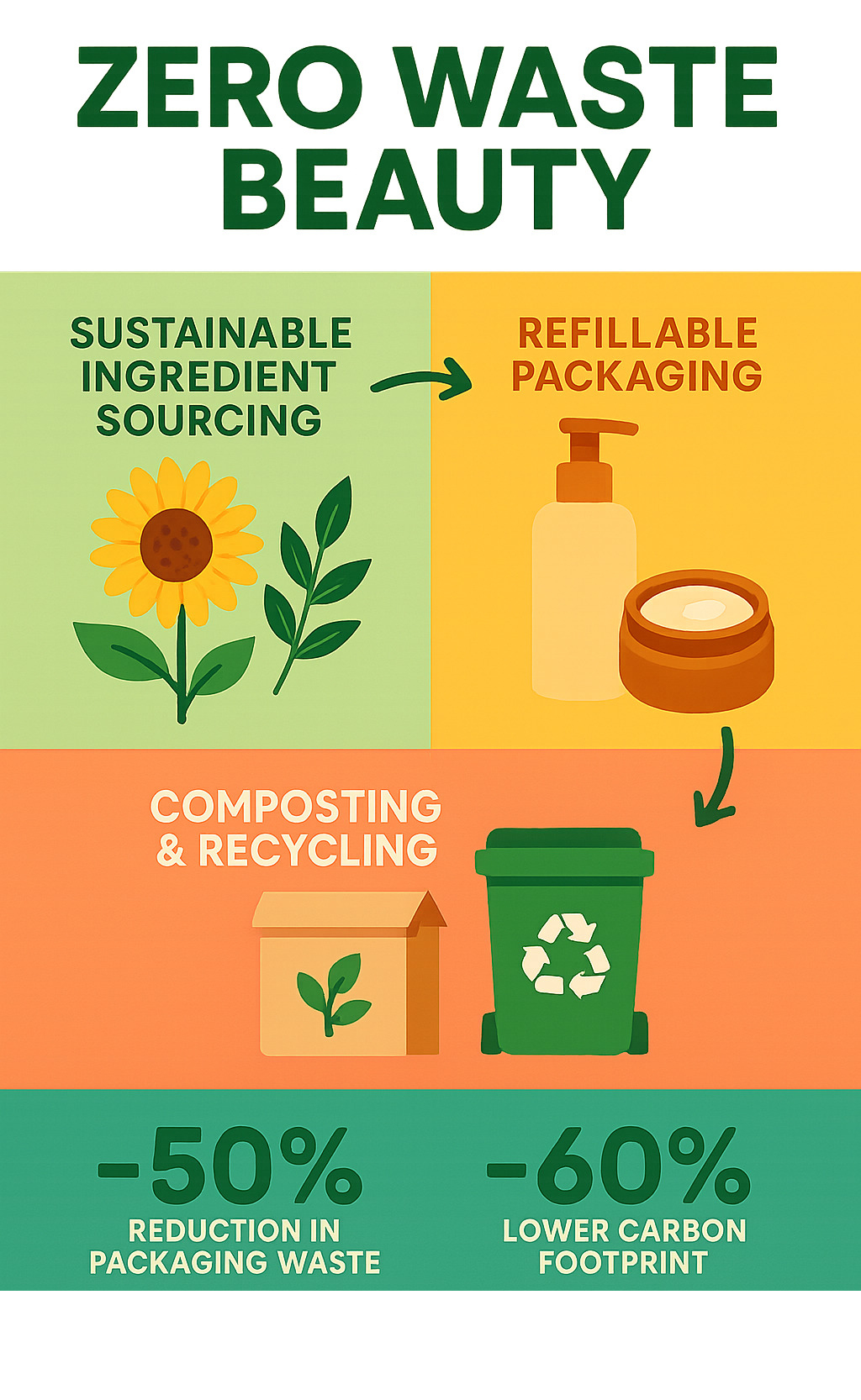
Zero waste beauty represents a growing movement toward sustainable cosmetics that eliminate or drastically reduce packaging waste through refillable containers, compostable materials, and plastic-free formulations.
Key Zero Waste Beauty Solutions:
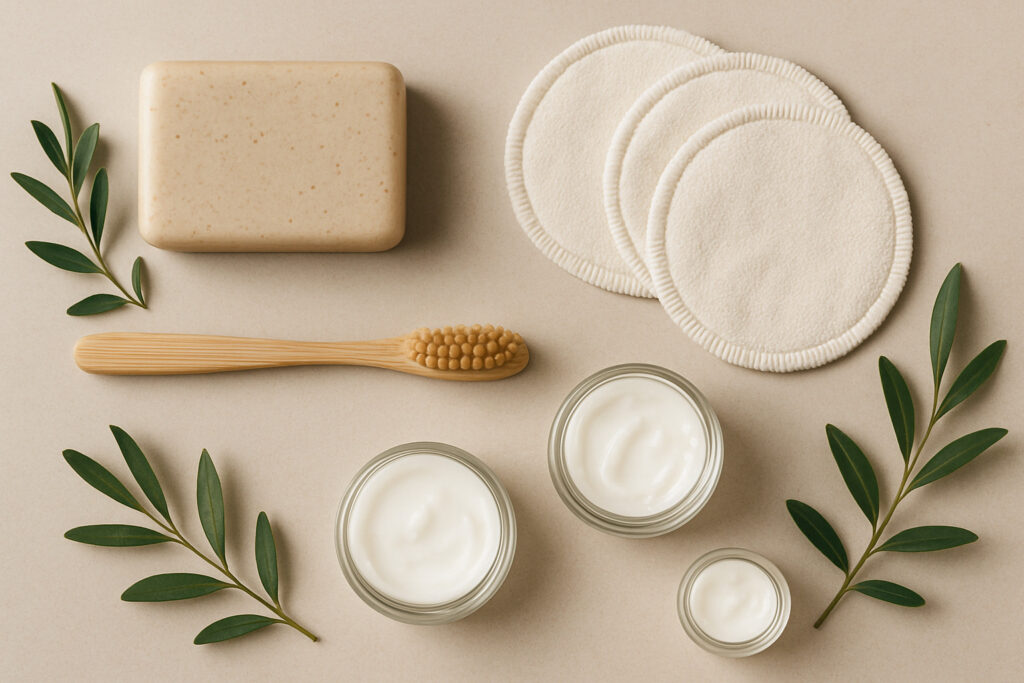
- Refillable Systems – Durable containers with mail-in or store refills
- Solid Bars – Shampoo, conditioner, and soap bars in minimal packaging
- Compostable Packaging – Bamboo tubes, seed paper, and plant-based wraps
- Glass & Metal Containers – Infinitely recyclable jars and aluminum tins
- Plastic-Free Tools – Reusable cotton rounds, metal razors, wooden brushes
The beauty industry creates a staggering 120 billion units of packaging waste every year. Even more concerning? Only 9% of all plastic ever made has been recycled, with close to 50% of plastic produced specifically for packaging.
This waste crisis is driving conscious consumers like you to seek alternatives that don’t compromise on quality or effectiveness. Modern zero waste beauty brands are proving that sustainable doesn’t mean settling – many offer award-winning formulas in innovative packaging that actually improves the user experience.
The shift isn’t just about packaging either. Zero waste beauty encompasses ethical ingredient sourcing, carbon-neutral shipping, and transparent supply chains that benefit both your skin and the planet.
Zero waste beauty word list:
What Is Zero Waste Beauty and Why It Matters
Zero waste beauty isn’t just about prettier packaging – it’s a complete rethink of how we approach cosmetics from start to finish. Think of it as beauty with a conscience, where every step from ingredient sourcing to the final disposal considers environmental impact.
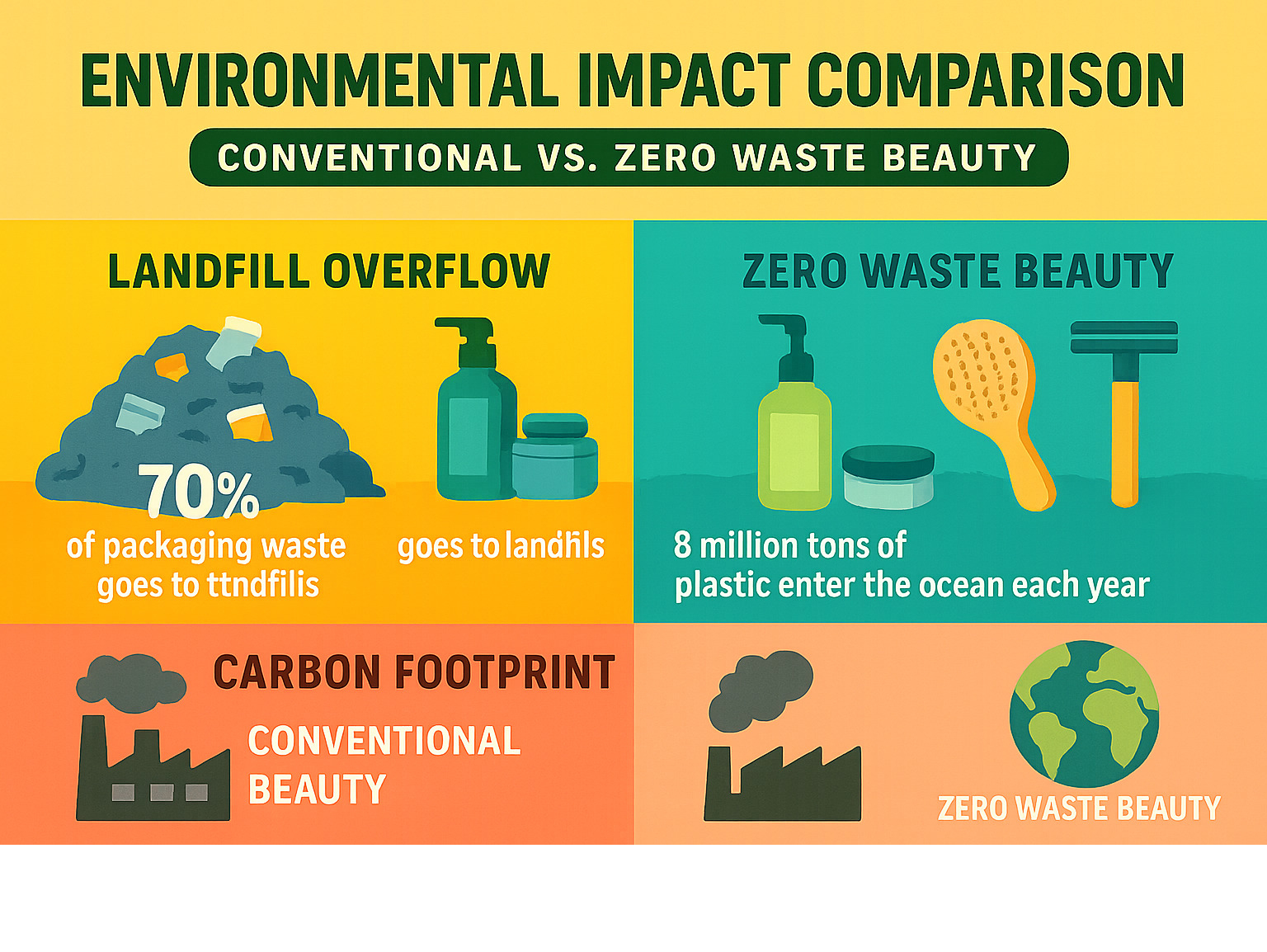
Here’s what makes this movement so important: the beauty industry churns out a mind-boggling 120 billion packages every year. Even more shocking? Only 9% of all plastic ever made has actually been recycled. The rest sits in landfills, floats in our oceans, or breaks down into tiny particles that end up in unexpected places.
Speaking of unexpected places – scientific research on microplastics recently found these particles circulating in human blood for the first time. Beauty products containing microbeads are a major culprit, with over 500 different types that slip right through wastewater treatment facilities.
This isn’t just an environmental crisis anymore – it’s a health wake-up call. When you’re literally ingesting plastic equivalent to a credit card each week, switching to cleaner alternatives becomes about protecting your body as much as the planet.
The Environmental Cost of Conventional Beauty
Walk down any beauty aisle and you’ll see the problem immediately – layers of plastic packaging that can’t be separated or recycled properly. When different plastic types get combined into one container, recycling facilities face an impossible task.
Our oceans bear the heaviest burden from this waste crisis. Plastic packaging breaks down into microplastics that marine life mistakes for food, working their way up the entire food chain and eventually landing back on our dinner plates.
Core Principles of Zero Waste Beauty
Zero waste beauty follows the time-tested hierarchy of refuse, reduce, reuse, and recycle – but in that specific order. It’s not just about recycling better; it’s about questioning whether we need the packaging in the first place.
The refuse principle means saying no to unnecessary single-use items. Reduce focuses on minimizing what we do use. Reuse comes alive through refillable systems that give containers multiple lives. Finally, recycle handles whatever materials can’t be avoided or reused.
This approach accepts the circular economy model, where nothing truly becomes “waste” – everything feeds back into the system somehow. For practical guidance on building these sustainable habits, check out our comprehensive guide on Eco-Friendly Beauty Routines.
Types of Zero Waste Beauty Products & Packaging
The world of sustainable beauty packaging has transformed dramatically over the past few years. What once felt like choosing between effectiveness and environmental responsibility has evolved into an exciting array of innovative solutions that often work better than their traditional counterparts.
| Material | Recyclability | Compostability | Durability | Best For |
|---|---|---|---|---|
| Glass | Infinitely recyclable | No | High | Serums, moisturizers |
| Aluminum | Infinitely recyclable | No | High | Solid products, refills |
| FSC Paper | Limited recycling | Yes | Low | Soap wraps, labels |
| Bamboo | No | Yes | Medium | Tubes, applicators |
| Bioplastics | Limited | Sometimes | Medium | Flexible packaging |
Glass and aluminum emerge as the clear winners for durability and recyclability. Unlike plastic, which degrades each time it’s recycled, these materials can be recycled endlessly without losing quality.
Refillable Systems: The Gold Standard of Zero Waste Beauty
Refillable systems offer the biggest environmental impact from your beauty routine. These aren’t just regular containers you clean out yourself – we’re talking about professionally designed systems built to last for years.
Some mascara refill systems achieve a 78% lower carbon footprint after just 25 refills compared to buying new tubes each time. That’s because the energy-intensive part isn’t the product itself, but manufacturing all that packaging.
Many brands now offer subscription refill services where you receive sterilized, professionally refilled containers every few months. The containers themselves are often made from medical-grade stainless steel or thick glass that feels more luxurious than typical plastic packaging.
Compostable & Plant-Based Solutions

Nature has provided some surprisingly neat packaging solutions that modern brands are finally learning to harness. Bamboo tubes have become incredibly popular for everything from lip balms to solid perfumes. The bamboo exterior composts completely in your backyard, while any small metal components can be easily removed for recycling.
Cellulose wraps made from wood pulp are revolutionizing how we package soap bars and solid products. These materials feel substantial but break down completely in home compost systems within just a few months.
Perhaps the most delightful innovation is seed paper packaging. After you finish your product, you can literally plant the wrapper and watch wildflowers grow.
Plastic-Free Tools and Accessories
The accessories side of zero waste beauty might surprise you with how much better these alternatives perform. Reusable cotton rounds made from organic cotton or bamboo replace hundreds of disposable pads throughout the year. They’re softer on your skin and actually work better for removing makeup.
Metal safety razors with replaceable blades eliminate plastic razor waste while giving you a closer, more comfortable shave. Wooden and bamboo brushes offer natural alternatives that feel wonderful in your hand. Stainless steel tools like tweezers literally last decades with proper care.
How to Transition to a Zero Waste Beauty Routine
Making the switch to zero waste beauty doesn’t require throwing out your entire collection tomorrow. The most sustainable approach starts with a thoughtful product audit of what you already own.
Grab everything from your bathroom and sort products into three piles: daily must-haves, occasional treats, and those impulse buys gathering dust. This exercise often reveals how much we accumulate without realizing it.
Use up what you have first – this is perhaps the most important rule. Even if a product has plastic packaging, using it completely is better than wasting it. As each item runs out, that’s your cue to find a more sustainable replacement.
Focus your energy on swapping out products from your daily essentials pile first. These frequent-use items will make the biggest impact on reducing your waste footprint over time.
Easy First Steps for Zero Waste Beauty Beginners
If you’re feeling overwhelmed, start with these three simple swaps:
Shampoo bars are game-changers. One bar typically lasts as long as two to three bottles of liquid shampoo, and many people find their hair actually looks better without all the water and fillers found in bottled versions.
Bar soap for your face and body eliminates those plastic pump bottles entirely. Modern soap bars aren’t the harsh, drying bars your grandmother used. Today’s formulations include moisturizing oils and gentle ingredients that leave skin soft and clean.
Reusable cotton rounds made from organic cotton or bamboo can replace hundreds of disposable cotton pads throughout the year. Toss them in a mesh laundry bag and wash them with your regular laundry.
Spotting Legit Low-Waste Brands
With everyone jumping on the sustainability bandwagon, it’s important to know which brands are walking the walk versus just talking the talk.
Look for third-party certifications like ECOCERT, USDA Organic, or B-Corp status. These require rigorous testing and ongoing verification.
Transparent sourcing information is another green flag. Legitimate sustainable brands will tell you exactly where their ingredients come from and how they’re processed.
Check if they’re palm oil-free or use certified sustainable palm oil. The best brands also provide clear end-of-life instructions for their packaging.
DIY Recipes for the Creative Minimalist
For those who enjoy getting hands-on, making your own products eliminates packaging entirely while giving you complete control over ingredients.
A basic lip balm needs just coconut oil, beeswax pellets, and vitamin E oil. Melt two tablespoons of coconut oil with one tablespoon of beeswax, add a teaspoon of vitamin E oil, then pour into small tins.
Turn your morning coffee ritual into skincare with a coffee body scrub. Mix half a cup of used coffee grounds with a quarter cup of coconut oil and two tablespoons of brown sugar.
For more comprehensive guidance on building sustainable skincare habits, check out our Zero Waste Skincare guide.
Responsible Disposal & Circular Programs
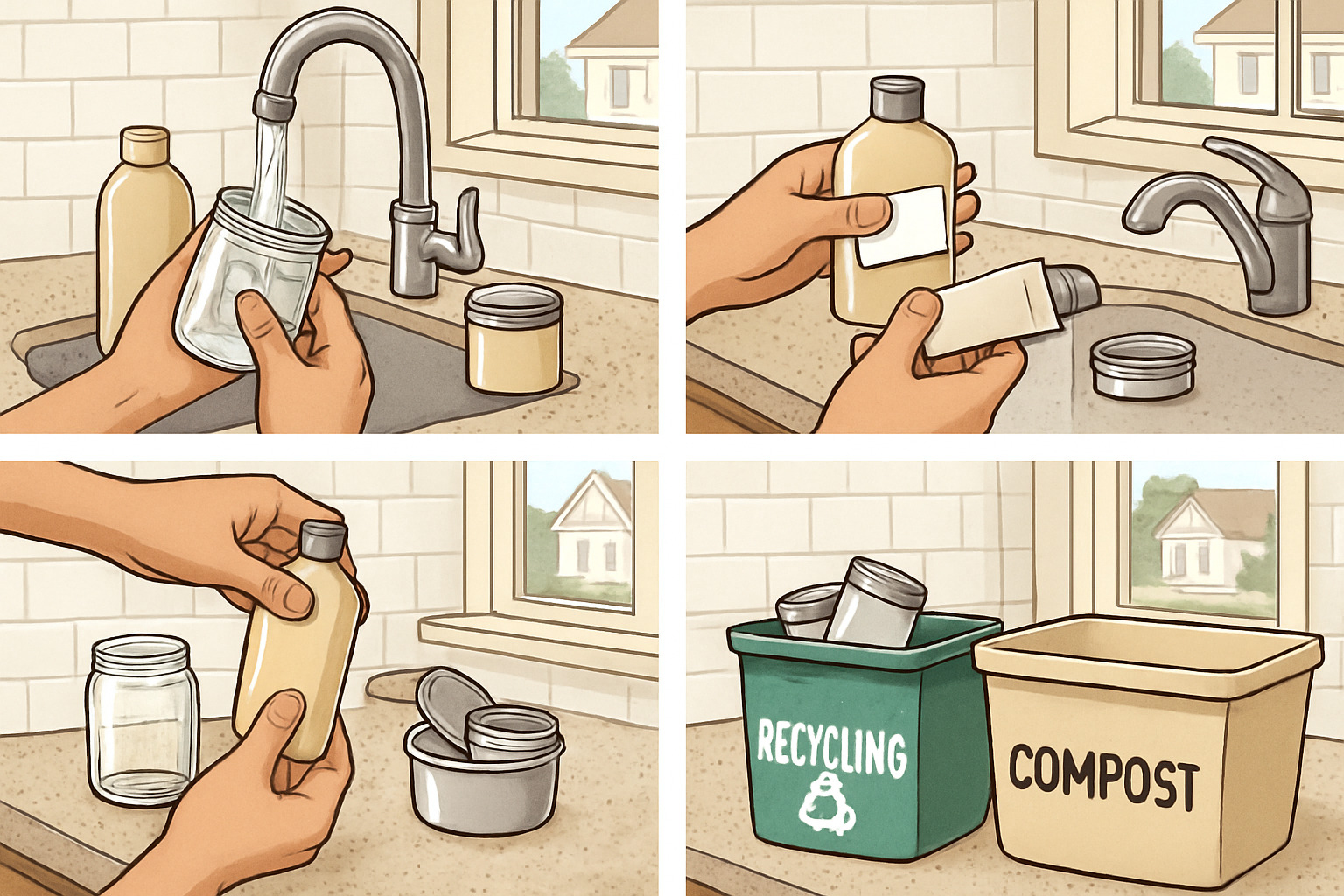
Even the most dedicated zero waste beauty enthusiast will eventually have some packaging to dispose of. The trick isn’t avoiding this reality – it’s handling it in a way that keeps materials in the circular economy instead of sending them straight to the landfill.
Closing the Loop with Take-Back & Refill Programs
The beauty industry is finally catching up to what we’ve been asking for – programs that take responsibility for their packaging. Many brands now offer mail-in refill systems where you send back your empty containers in prepaid shipping envelopes. The company sterilizes and refills them, then sends them back to you.
Store drop-off programs are becoming more common too. Some retailers have collection bins where you can drop off empties from any brand. These programs often partner with specialized recycling facilities that can handle mixed materials your curbside pickup can’t touch.
Many brands offer membership benefits for participating, including discounts on future purchases or early access to new products.
Recycling Beauty Packaging the Right Way
Glass containers are the easiest to recycle properly. Remove all pumps and dispensers, peel off labels completely, and give everything a good rinse.
Metal packaging like aluminum tubes and steel compacts are recycling superstars – they can be recycled infinitely without losing quality. Just make sure they’re completely empty and clean.
The tricky stuff is mixed-material packaging – those containers that combine plastic, metal, and rubber components. Your best bet is to separate what you can by hand, then look for specialized programs like TerraCycle that accept hard-to-recycle beauty packaging.
When choosing sun protection products, consider Scientific research on coral-safe sunscreen formulations that protect marine ecosystems. For more guidance on sustainable packaging choices, our Plastic-Free Cosmetics guide offers specific recommendations that work with circular disposal systems.
Future Trends & Innovations in Zero Waste Beauty
The future of zero waste beauty is looking incredibly exciting, with innovations that make sustainable choices easier and more effective than ever before. We’re witnessing a complete change in how beauty products are formulated, packaged, and delivered to consumers.
Waterless formulas are revolutionizing the industry by eliminating the need for water in products like shampoos, cleansers, and serums. These concentrated powerhouses not only perform better than their diluted counterparts but also require smaller packaging and weigh less during shipping. Plus, without water comes the bonus of needing fewer preservatives – a win for both your skin and the planet.
The concept of upcycled ingredients is taking sustainability to the next level. Forward-thinking brands are rescuing coffee grounds from London cafés to create luxurious exfoliating scrubs, turning what would be waste into effective skincare ingredients. This approach creates a beautiful circle where one industry’s byproducts become another’s star ingredients.
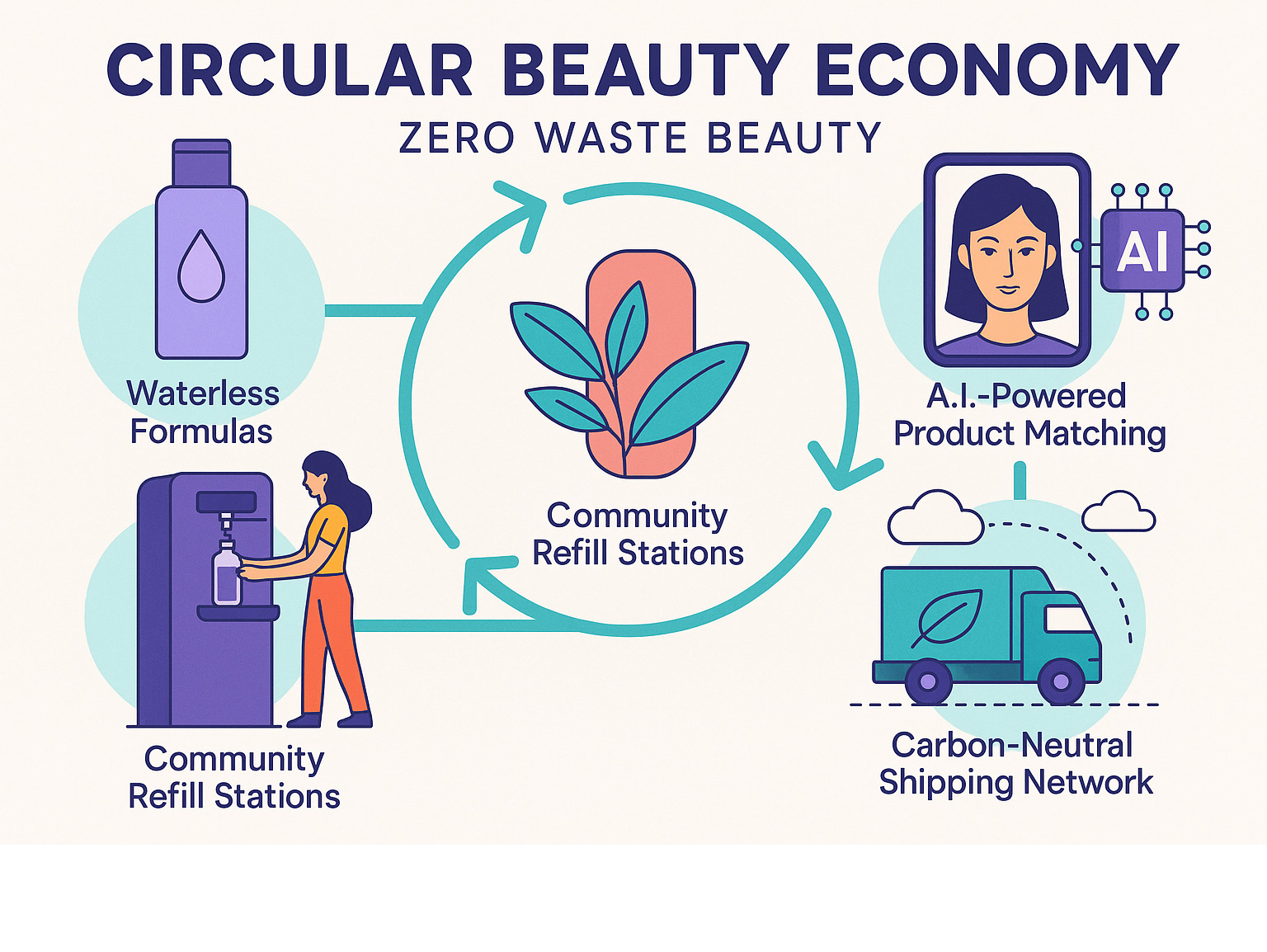
Technology is making sustainable beauty smarter and more personalized. AI-powered product matching helps you find your perfect shade on the first try, dramatically reducing returns and the waste that comes with wrong color choices. Imagine never having to return a foundation again because an app analyzed your skin tone perfectly!
Carbon-neutral shipping is becoming the new standard as brands recognize that sustainability extends beyond packaging. Companies are investing in renewable energy, optimizing delivery routes, and even partnering with carbon offset programs to ensure your beauty products arrive with minimal environmental impact.
Perhaps most exciting are the community refill stations popping up everywhere. These aren’t just tucked away in specialty eco-stores anymore – they’re expanding into mainstream retail locations. Some industry experts predict these stations could become as common as coffee shops within the next decade, making zero waste beauty as convenient as grabbing your morning latte.
Reuse technology is getting more sophisticated too, with brands developing containers designed for multiple lifecycles and creating closed-loop systems where packaging never becomes waste. The future of zero waste beauty isn’t just about reducing harm – it’s about creating positive impact through every step of the beauty experience.
Frequently Asked Questions about Zero Waste Beauty
How does zero waste beauty compare in cost to conventional products?
Here’s the honest truth about zero waste beauty costs – yes, you’ll often pay more upfront, but your wallet will thank you later. Think of it as buying quality over quantity.
A $12 shampoo bar might make you pause at checkout, especially when you’re used to grabbing $8 bottles. But that single bar typically outlasts three liquid bottles, saving you money while your hair gets cleaner with concentrated, effective ingredients.
The real savings shine with reusable tools. A $30 safety razor might seem steep compared to a $3 disposable pack, but replacement blades cost just pennies each. Over a few years, you’ll save hundreds while getting a better shave.
Refillable systems work similarly – the initial container investment pays off as refills cost significantly less than buying new packaging repeatedly.
What ingredients should I avoid for a true zero waste routine?
Not all ingredients are created equal when it comes to environmental impact. Some common culprits hide in plain sight on ingredient lists.
Microplastics top the avoid list – these tiny plastic particles wash down drains and end up in our waterways. Look out for Polyethylene, Polypropylene, Nylon, and Polyurethane on labels.
Palm oil presents another challenge unless it’s certified sustainable. The massive deforestation for palm plantations makes this ingredient particularly problematic.
Silicones might make your hair feel silky, but they don’t break down naturally and can accumulate in waterways over time.
Synthetic fragrances often contain phthalates and other chemicals that can disrupt hormones. Natural essential oils or fragrance-free formulas offer safer alternatives.
Can I recycle mixed-material cosmetic packaging at home?
Most mixed-material packaging – think plastic pumps attached to glass bottles – simply can’t go in your regular recycling bin. Different materials require different processing methods, and when they’re stuck together, separating them becomes too expensive for most facilities.
Your best bet involves taking things apart when possible. Remove that metal cap from the plastic tube and recycle each piece separately. Pull off plastic pumps from glass bottles.
Brand take-back programs offer another solution. Many companies now accept their own packaging back for proper recycling or refilling.
Specialized programs like TerraCycle fill the gap for truly difficult items, though they often require mailing packages and fees.
Conclusion
Your journey into zero waste beauty doesn’t have to be perfect to make a difference. Every single sustainable swap you make – whether it’s switching to a shampoo bar or choosing a refillable mascara – sends a powerful message to the beauty industry about what consumers truly want.
The numbers don’t lie. With 120 billion units of packaging waste created annually and only 9% of plastic ever being recycled, the current system simply isn’t working. But here’s the encouraging news: you’re part of a growing movement that’s already changing how brands think about packaging, formulations, and their environmental impact.
Small changes really do add up. When you choose a solid moisturizer bar over a plastic tube, you’re not just reducing your personal waste footprint. You’re supporting innovative companies that are proving sustainable beauty can be effective, luxurious, and accessible. You’re showing other consumers that these alternatives exist and work beautifully.
The future we’re building together looks incredibly promising. Refill stations are popping up in mainstream stores, waterless formulas are becoming more sophisticated, and brands are finally designing products with their entire lifecycle in mind. What seemed impossible just a few years ago is now becoming the new normal.
Your choices matter more than you might think. Every time you refuse unnecessary packaging, choose a multi-purpose product, or properly recycle a container, you’re contributing to a circular economy that benefits everyone. You’re proving that beauty routines can improve your life without harming the planet.
At Beyond Beauty Lab, we believe knowledge is the key to making confident, sustainable choices. That’s why we’re here to support you with practical guidance, honest product insights, and a community of people who care about both looking great and doing good.
For more comprehensive guidance on building your sustainable routine, explore our Sustainable Beauty Practices resource. We’re constantly updating our content with the latest innovations and most effective strategies for conscious beauty lovers.
Remember: perfect is the enemy of good. You don’t need to overhaul your entire routine overnight or feel guilty about every purchase. Start where you are, use what you have, and make the next best choice when you’re ready. That’s how real, lasting change happens – one thoughtful decision at a time.