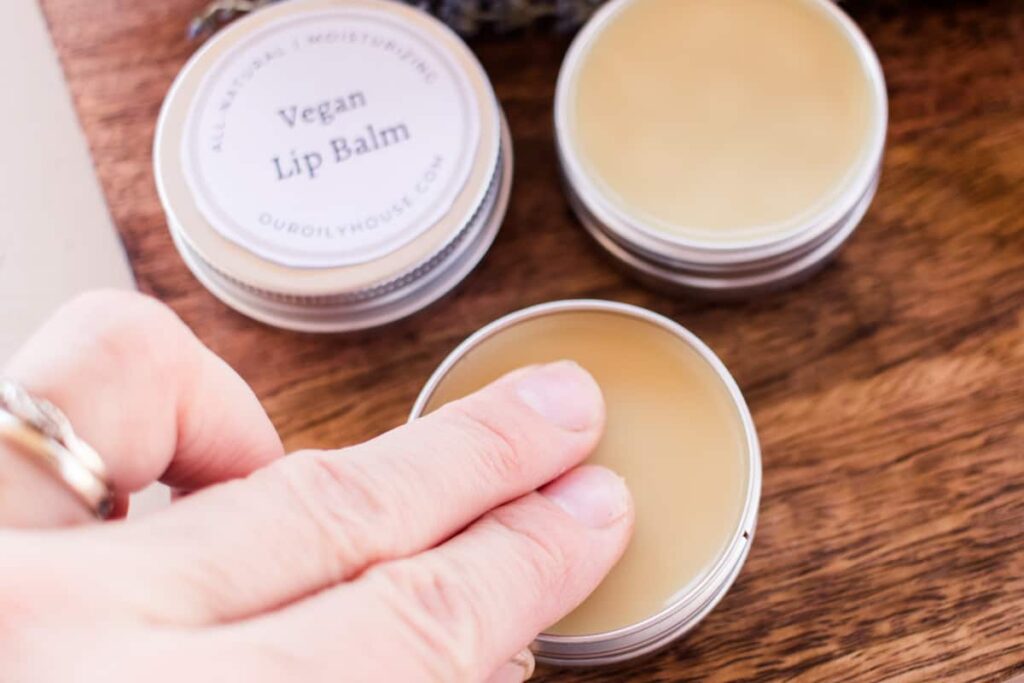
If you’re aiming to avoid synthetic ingredients, animal by-products, or petroleum-based compounds in your personal care routine, creating your own vegan lip balm is an ideal solution. Not only does it ensure purity and simplicity, but it also lets you customize ingredients based on your skin type and preferences.
This guide will walk you through the benefits of using a vegan lip balm, the essential ingredients, how to make your own at home, and even how it connects with broader natural beauty habits—like using Natural Breath Freshener Herbs Mouthwash for oral care.
Why Choose a Vegan Lip Balm?
Many commercial lip balms contain beeswax, lanolin (from sheep’s wool), or other animal-derived ingredients. While these may be effective moisturizers, they don’t align with a vegan lifestyle or those looking for plant-based alternatives. A vegan lip balm uses only botanical and plant-based ingredients to deliver:
- Deep hydration and nourishment
- Protection from chapping and wind
- A clean, cruelty-free formula
- A customizable approach to scents, flavors, and finishes
Key Ingredients in a Vegan Lip Balm
Here’s a breakdown of common ingredients used in vegan lip balm recipes and their benefits:
| Ingredient | Function | Vegan Source |
|---|---|---|
| Plant Butter | Adds richness and hydration | Shea butter, cocoa butter, mango butter |
| Carrier Oil | Moisturizes and softens skin | Coconut oil, sweet almond oil, jojoba oil |
| Vegan Wax | Provides structure and glide | Candelilla wax, carnauba wax |
| Essential Oils | Adds fragrance and added benefits | Peppermint, lavender, orange |
| Natural Colorants | Optional tint or sheen | Beetroot powder, mica (vegan-safe) |
| Vitamin E | Preserves and adds antioxidant power | Derived from sunflower or soy oil |
DIY Vegan Lip Balm Recipe (Small Batch)
Ingredients:
- 2 tablespoons shea butter
- 2 tablespoons coconut oil
- 1 tablespoon candelilla wax
- 5 drops peppermint essential oil (optional)
- 1 capsule of Vitamin E (optional)
- Optional: ½ teaspoon beetroot powder for a natural tint
Equipment:
- Double boiler or heat-safe bowl over saucepan
- Small tins or lip balm tubes
- Stirring stick or spoon
- Dropper (optional for tube filling)
Instructions:
- In a double boiler, combine the shea butter, coconut oil, and candelilla wax.
- Gently melt over low heat, stirring until fully liquefied.
- Remove from heat and let it cool slightly.
- Stir in essential oil, Vitamin E, and any natural tint.
- Pour into lip balm containers and allow to cool fully before use (1–2 hours).
This recipe makes about 5–6 small lip balm tubes or 3 small tins.
Customization Tips
- For extra shine: Add a few drops of castor oil.
- For added protection: Use cocoa butter for a firmer, more protective balm.
- For a flavored balm: Try essential oils like vanilla, citrus, or cinnamon (in small amounts).
- For SPF: Consider adding non-nano zinc oxide (use caution and research proper ratios).
Shelf Life and Storage
Homemade vegan lip balms typically last 6–12 months if stored in a cool, dry place. The addition of Vitamin E acts as a natural preservative, helping extend shelf life by reducing oxidation.
Always use clean, dry tools and containers to minimize contamination.
Broader Natural Self-Care: More Than Just Lips
Using a vegan lip balm is part of a larger clean and plant-based personal care routine. Just as you avoid harsh chemicals in lip care, you can do the same with your oral routine. Many people are turning to Natural Breath Freshener Herbs Mouthwash as a chemical-free alternative to alcohol-based products that can dry out the mouth.
Both practices—whether nourishing lips or freshening breath—show that natural, plant-based solutions can be both gentle and effective.
FAQs: Vegan Lip Balm Recipe
Q1: What makes a lip balm vegan?
A vegan lip balm contains no animal-derived ingredients such as beeswax, lanolin, or dairy-based components. Instead, it uses plant-based butters, waxes, and oils.
Q2: Can I make this lip balm without essential oils?
Yes, the recipe works well without essential oils. They are optional and mostly used for fragrance and therapeutic benefits.
Q3: What’s a good substitute for candelilla wax?
Carnauba wax is a common vegan alternative. It’s a bit firmer than candelilla, so reduce the amount slightly to maintain a smooth texture.
Q4: Is homemade lip balm safe for kids?
Yes, but avoid strong essential oils and ensure all ingredients are food-safe and allergy-tested for young users.
Q5: How can I add SPF to a vegan lip balm?
You can include a small amount of non-nano zinc oxide for sun protection. However, be cautious with proportions and ensure even distribution.
Final Thoughts
Making your own vegan lip balm is easy, affordable, and incredibly rewarding. You can tailor each batch to your skin’s needs, your ethical preferences, and your favorite scents and textures. More importantly, it’s a sustainable step toward reducing waste, cutting out synthetic chemicals, and embracing a more mindful beauty routine.
When paired with other holistic habits—such as using natural oral care like Natural Breath Freshener Herbs Mouthwash—your skincare and self-care practices become both cleaner and more consistent with plant-based wellness goals.