

Why Pedicures Are More Than Just Pretty Toes
A pedicure is a cosmetic treatment of the feet and toenails that combines health benefits with relaxation. Here’s what you need to know:
What It Includes:
- Foot soaking and exfoliation
- Nail trimming and shaping
- Cuticle care and callus removal
- Moisturizing foot massage
- Optional polish application
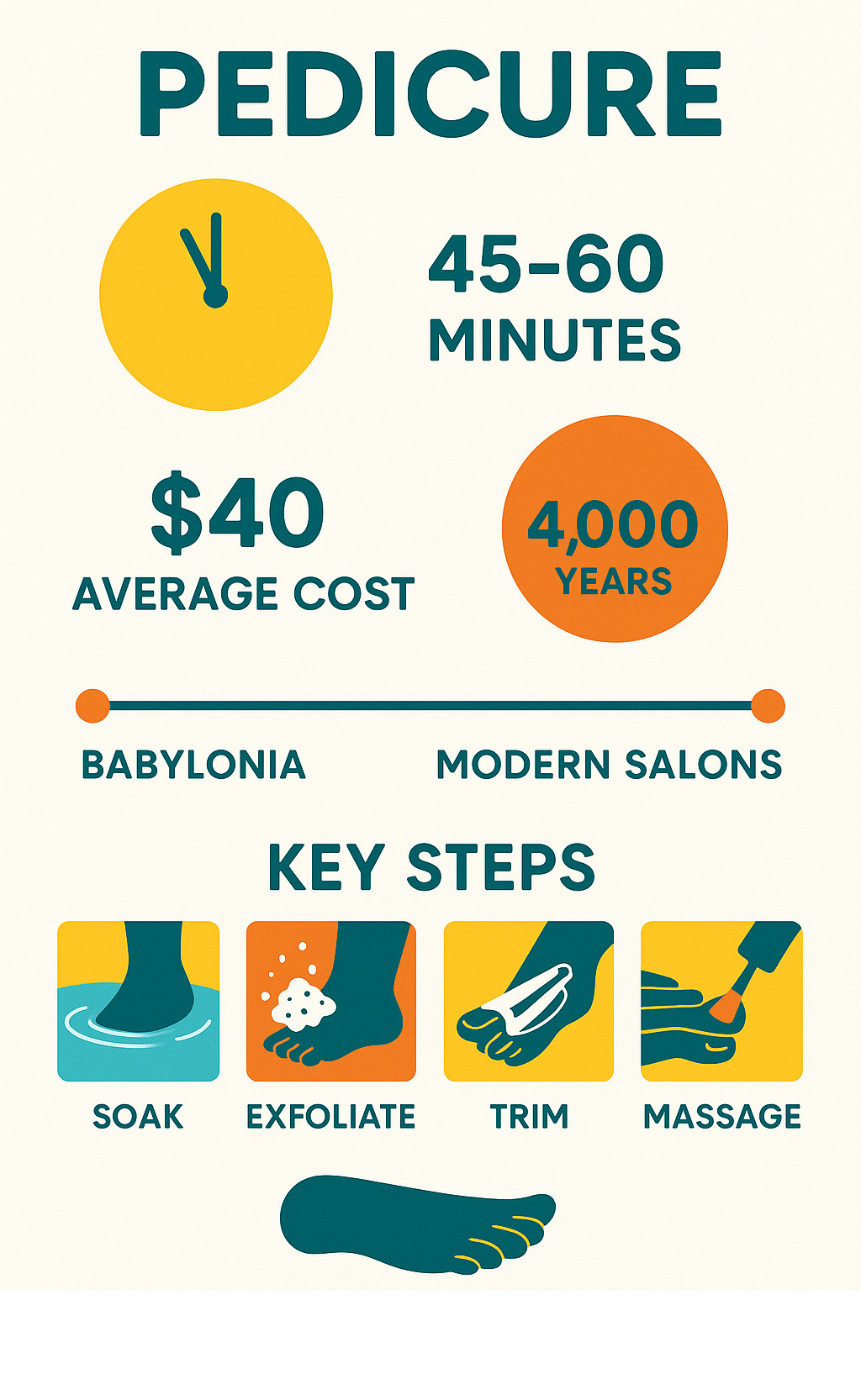
How Long It Takes: 45 minutes to 1 hour
Average Cost: Around $40 for standard service
Main Benefits: Improved foot health, relaxation, and early detection of foot problems
The word “pedicure” comes from Latin pedis (foot) and cura (care), and this ancient practice dates back over 4,000 years. What started with Babylonian nobles using solid gold tools has evolved into a modern wellness ritual that’s both therapeutic and indulgent.
Today’s pedicures go far beyond simple nail care. They’re a chance to catch foot problems early, improve circulation, and enjoy some much-needed self-care time. Whether you’re preparing for sandal season or just want to treat your hard-working feet, understanding your options helps you make the best choice for your health and lifestyle.
For eco-conscious clients, the pedicure industry is also embracing sustainable practices – from waterless treatments that conserve water to non-toxic polishes that are safer for you and the environment.
Pedicure terms made easy:
Pedicure 101: Definition, History & Core Steps
Let’s dive deeper into what makes a pedicure such a timeless wellness ritual. While we touched on the basics earlier, understanding the rich history and detailed process helps you appreciate why this foot care treatment has captivated people across cultures for thousands of years.
A pedicure goes beyond simple nail painting – it’s a comprehensive foot care system that combines ancient wisdom with modern techniques. The treatment addresses everything from nail health to circulation, making it both a beauty service and a health practice.
The Origin of the Pedicure
The story of the pedicure begins over 4,000 years ago in ancient Babylonia, where wealthy nobles pampered their feet with solid gold tools. Yes, you read that right – gold! These early foot care enthusiasts understood that healthy feet deserved the finest treatment.
Ancient Egypt liftd foot care to an art form that would make today’s nail artists jealous. Cleopatra rocked deep red nails while Nefertiti preferred ruby shades. These weren’t just fashion choices – nail colors were powerful symbols of status and authority. Imagine if your pedicure color could determine your place in society!
The Romans took a more practical approach, weaving foot care into their famous bathing rituals. They knew that strong, healthy feet were essential for everything from daily walks to military campaigns. Smart thinking, considering they built an empire largely on foot power.
Meanwhile in ancient China around 3000 BC, nail care became deeply cultural. Specific colors indicated your social rank, and elaborate designs told stories about your family and achievements. This tradition laid the groundwork for today’s creative nail art trends.
The modern pedicure industry found its footing in the 19th century. The English language first documented “pedicure” around 1839, combining the Latin pedis (foot) and cura (care). By 1887, the French had coined “manicure” using similar roots, and both treatments became European beauty staples.
Essential Pedicure Tools & Procedure
A professional pedicure requires specific tools and follows a careful process that prioritizes both results and safety. Walking into a salon, you’ll see an array of specialized equipment designed to pamper your feet properly.
The essential toolkit includes nail clippers and files for shaping, cuticle nippers and pushers for gentle grooming, and pumice stones or foot files for smoothing rough skin. You’ll also find foot soaks and scrubs for deep cleaning, moisturizers and massage oils for hydration, and the classic trio of base coat, polish, and top coat for that perfect finish.
Modern salons prioritize safety with disposable liners and single-use items wherever possible. This attention to hygiene helps prevent infections and ensures each client gets a fresh, clean experience.
The pedicure process follows a logical sequence that maximizes both comfort and results. It starts with a relaxing foot soak in warm water for at least five minutes – this softens your skin and nails, making the following steps more effective and comfortable.
Next comes nail care, where your toenails are trimmed, shaped, and cleaned using wooden or rubber tools. The technician then performs cuticle work, gently pushing back or trimming excess cuticle tissue. This is followed by exfoliation using pumice stones or foot files to remove dead skin and smooth rough patches.
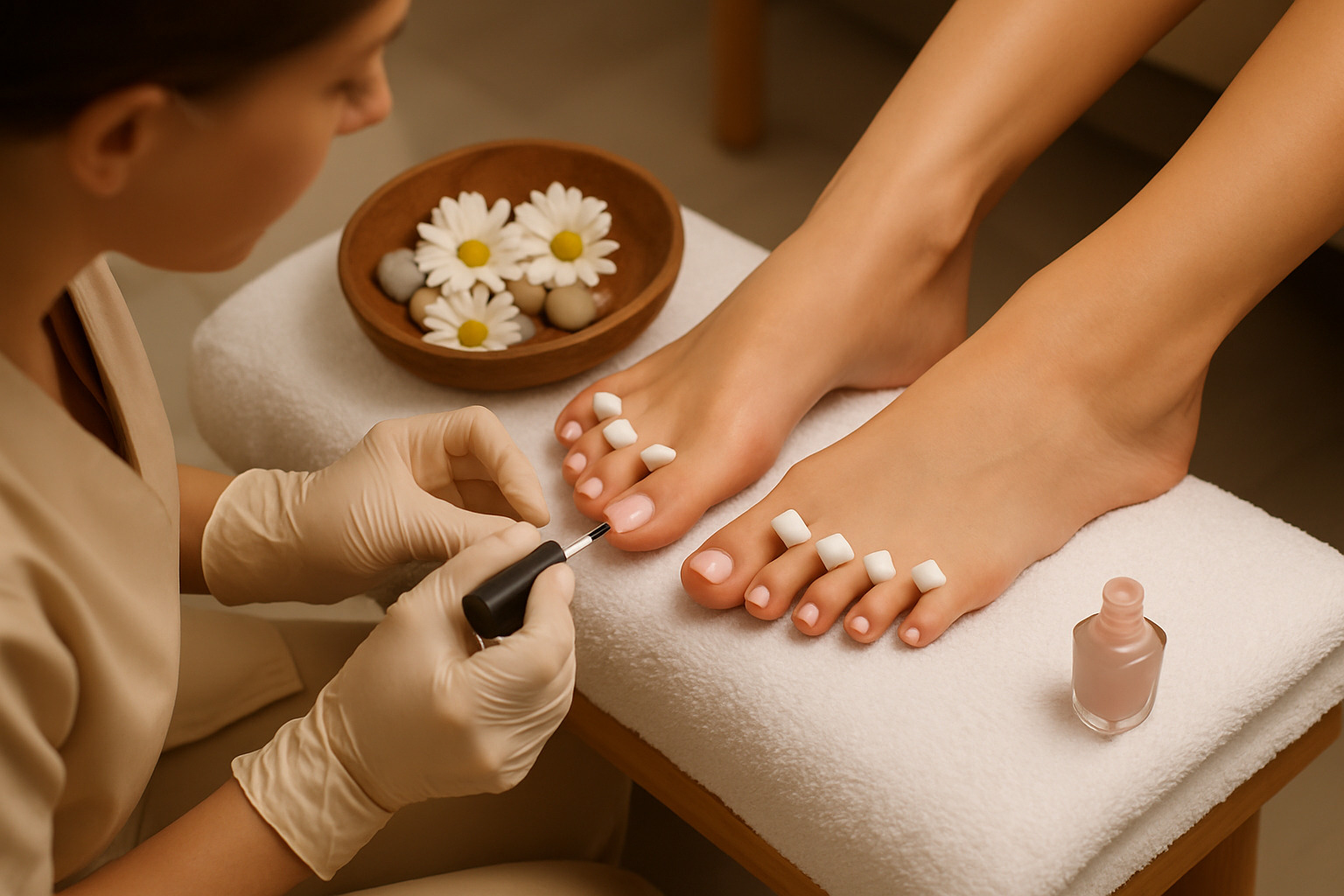
The highlight for many clients is the massage portion, where relaxing foot and calf massage techniques improve circulation and melt away tension. Finally, if you choose polish, the technician applies a base coat, color, and top coat in thin, even layers.
The entire experience typically takes 45 minutes to an hour, depending on your chosen service level. Professional technicians follow strict hygiene protocols, including proper tool sterilization between clients.
For peace of mind about safety practices, you can review scientific research on foot spa infections to understand how proper sanitation prevents health risks and keeps your pedicure experience both relaxing and safe.
The Many Types of Pedicures
The world of pedicures has blossomed into something truly amazing! What started as basic foot care has evolved into a menu of specialized treatments that can address everything from your busy lifestyle to specific health needs. Whether you’re looking for a quick touch-up or a luxurious spa experience, there’s a perfect pedicure waiting for you.
Standard vs Dry Pedicure: Which Is Right for You?
Choosing between a traditional wet pedicure and the newer dry approach is one of the most important decisions you’ll make. Both have their devoted fans, and for good reason.
The standard pedicure is what most people picture when they think of foot pampering. Your feet get a lovely soak in warm, bubbly water while you relax in a comfortable chair. There’s something deeply satisfying about that initial foot bath – it’s like a mini-vacation for your tired feet. These treatments typically run 45-60 minutes and cost around $40-95, depending on your location and the salon’s amenities.
But here’s where things get interesting: dry pedicures are gaining popularity, and they’re not just a trend. This waterless approach uses specialized tools to achieve incredibly precise results without any soaking. The technique, particularly the Ukrainian method, excels at heel refining and callus removal in ways that wet treatments sometimes can’t match.
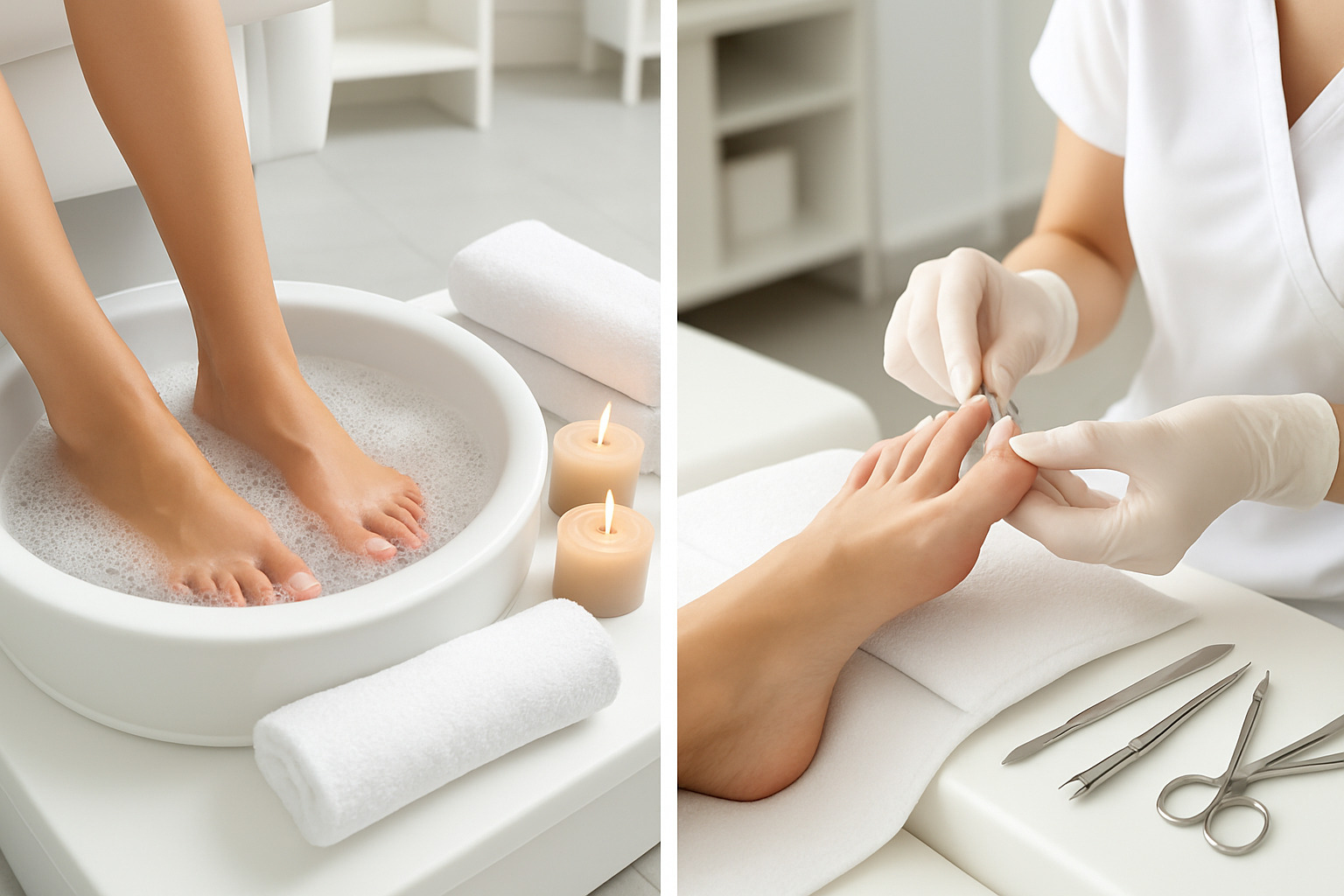
The safety factor is huge with dry pedicures. Traditional foot baths, despite proper cleaning, can harbor bacteria that cause infections. Dry treatments eliminate this risk entirely, making them perfect for anyone with diabetes, pregnancy concerns, or simply a preference for maximum hygiene.
From an environmental standpoint, dry pedicures are game-changers. Those luxurious salon chairs can guzzle up to 270 gallons of water daily. Choosing waterless treatments means you can pamper yourself while being kind to the planet – a win-win that feels pretty great.
Spa, Paraffin & Elite Indulgences
Ready to take your pedicure experience from nice to absolutely divine? Premium treatments transform basic foot care into a therapeutic escape that rivals any high-end spa.
Spa pedicures wrap you in luxury from the moment you settle into that zero-gravity chair. These treatments often begin with aromatherapy that immediately signals to your brain that it’s time to unwind. The sugar or salt scrubs used in spa treatments provide deeper exfoliation than standard methods, while moisture-rich masks give your feet the kind of intensive care they rarely receive.
Paraffin pedicures deserve special mention because they’re truly magical. Warm paraffin wax envelops your feet like a cozy hug, delivering deep moisturizing benefits while improving circulation. If you have arthritis or just chronically cold feet, the soothing warmth can provide genuine relief. Many paraffin treatments include vitamin and mineral-enriched formulations that leave your skin incredibly soft.
Elite pedicures pull out all the stops with hot stone massages, cooling leg treatments, and premium product lines you won’t find in standard services. These extended sessions often run 75+ minutes and include personalized aromatherapy blends chosen just for you.
Yes, these premium experiences cost more – typically $119 to $165 – but many clients find the stress relief and pure indulgence make it worthwhile. Sometimes your feet (and your peace of mind) deserve the royal treatment.
Medical Pedicure & Advanced Foot Care
Here’s where pedicures get seriously impressive. Medical pedicures bridge the gap between beauty treatments and actual healthcare, offering solutions for foot problems that go way beyond cosmetic concerns.
These specialized treatments are performed by trained foot care professionals with backgrounds in podology. They understand foot anatomy and can safely address issues that regular nail technicians aren’t equipped to handle. The sterilization protocols used in medical pedicures meet clinical standards, making them safe for people with diabetes, circulatory issues, or compromised immune systems.
Medical pedicures can tackle stubborn problems like ingrown toenails, persistent calluses, and painful corns. But the advanced treatments available today are truly remarkable. The B/S Brace System uses German-engineered synthetic fiberglass to actually correct nail curvature and relieve pressure from ingrown nails – it’s like orthodontics for your toenails!
KeryFlex Nail Restoration can restore the appearance of damaged toenails in a single visit, while the NanoFlex Reconstructive System from Canada includes NanoSilver for antimicrobial and antifungal protection. Some facilities even offer laboratory testing, where nail samples are analyzed for fungal infections to ensure you get the right treatment.
Athletes dealing with recurring foot issues, diabetic clients who need careful monitoring, and anyone with suspected fungal infections can benefit enormously from medical pedicures. These treatments ensure that taking care of your feet is both safe and incredibly effective, especially when regular pedicures might pose risks.
Pedicure Safety, Hygiene & Medical Considerations
When it comes to pedicure safety, a little knowledge goes a long way in protecting your health. While most salon visits are perfectly safe, understanding potential risks helps you make informed choices and enjoy your treatment with complete peace of mind.
The reality is that improper sanitation can lead to serious complications. Bacterial infections like mycobacterium fortuitum can cause permanent scarring, while fungal infections can take months to clear up. But here’s the good news: these issues are completely preventable when you know what to look for.
Infection Prevention & Salon Hygiene
Think of salon hygiene like a restaurant kitchen – you want to see clean practices even if you’re not doing the cooking yourself. The best salons treat sterilization seriously, following hospital-grade protocols that eliminate any risk of cross-contamination.
Proper sterilization starts with the basics. All metal instruments should either be brand new and disposable, or properly sterilized in an autoclave between clients. This includes nail clippers, cuticle nippers, and files. Foot baths need thorough cleaning and disinfection after each use, and many top salons now use disposable liners for an extra layer of protection.
One impressive innovation is the use of vacuum suction drills that capture 99.9% of nail and skin particles during treatment. This prevents airborne contaminants and keeps the treatment area spotless. Similarly, professional salons never “double-dip” polish brushes – they either use fresh brushes or pour polish onto a clean palette.
You’ll want to avoid salons that reuse files or buffers, leave visible residue in foot baths, or can’t clearly explain their sterilization procedures. Staff should wash their hands between clients, and you should be able to see instruments being removed from sterilization equipment or sealed packages.
The most transparent salons are happy to show you their cleaning procedures and sterilization equipment. Some high-end facilities even use completely single-use instruments for every client, which eliminates any possibility of cross-contamination.
For detailed safety guidelines from medical professionals, check out scientific research on safe pedicure tips from the American Podiatric Medical Association.
Who Should Consider a Medical Pedicure?
Some people need extra care when it comes to pedicure treatments, and that’s where medical pedicures become invaluable. These specialized services bridge the gap between beauty treatments and healthcare, ensuring that everyone can enjoy proper foot care safely.
Diabetic clients particularly benefit from medical pedicures because diabetes affects circulation and healing. These treatments involve specialized monitoring, gentler techniques, and often skip the traditional foot soaking that can increase infection risk. Early detection of foot problems is crucial for diabetic foot health.
People with circulatory issues need careful assessment during treatment. This includes gentle pressure during massage, avoiding aggressive callus removal, and using techniques that actually improve circulation rather than restrict it.
Athletes and active individuals often develop recurring callus and nail issues from their activities. Medical pedicures can address sports-related foot injuries, provide preventive care, and offer more durable nail treatments that withstand active lifestyles.
Pregnant clients have increased sensitivity to infections and may need to avoid certain chemicals. Medical pedicures accommodate these needs with non-invasive techniques and comfortable positioning throughout the treatment.
Choosing a Safe & Sanitary Pedicure Experience
Finding the right salon doesn’t have to be complicated, but it does require a bit of homework. Start by researching reviews and ratings, but pay attention to comments about cleanliness specifically, not just the quality of the polish job.
Before you book, verify that technicians are properly licensed and ask directly about sterilization procedures. Quality salons are proud of their safety protocols and will gladly explain them. Find out if they use single-use items and whether they can accommodate any special health needs you might have.
During your visit, trust your instincts. You should see fresh liners being installed, proper hand washing between clients, and instruments that are clearly sterilized. If something doesn’t look right, don’t hesitate to speak up or reschedule.
Here’s an important safety tip: don’t shave your legs within 24 hours before your appointment. Small nicks from shaving create entry points for bacteria, significantly increasing infection risk. Some clients prefer to bring their own basic tools like nail files, which is perfectly acceptable at most salons.
Avoid treatments if you have any open cuts or wounds on your feet or lower legs. Stay hydrated during longer treatments, and always follow the aftercare instructions your technician provides.
For comprehensive wellness practices that complement your pedicure routine, explore our guide on wellness and self-care.
Benefits, Aftercare, Sustainability & Cost
Understanding the full scope of pedicure benefits, proper aftercare, and cost considerations helps you make informed decisions about incorporating this treatment into your wellness routine.
Health Benefits:
- Improved circulation from massage
- Early detection of foot problems
- Removal of dead skin and calluses
- Prevention of ingrown toenails
- Stress reduction and relaxation
Cosmetic Benefits:
- Smooth, soft skin
- Well-groomed nails
- Professional polish application
- Improved appearance in open-toe shoes
- Boosted confidence and self-esteem
Caring for Your Feet Between Pedicures
Proper home care extends the benefits of your pedicure and maintains foot health between salon visits. Here’s your comprehensive aftercare routine:
Daily Care:
- Moisturize feet with quality foot cream
- Wear breathable, properly fitting shoes
- Keep feet clean and dry
- Inspect feet for any changes or problems
Weekly Maintenance:
- Use a foot file on dry skin
- Apply cuticle oil to toenails
- Soak feet in warm water with Epsom salts
- Gently push back cuticles
Monthly Attention:
- Deep exfoliate with a pumice stone
- Apply a moisturizing foot mask
- Trim toenails straight across
- Check for any signs of fungal infections
Warning Signs to Watch For:
- Thick, discolored toenails (possible fungal infection)
- Persistent pain or swelling
- Changes in nail shape or color
- Unusual odors or discharge
For more detailed guidance on maintaining your results at home, check out our comprehensive guide to DIY beauty treatments.
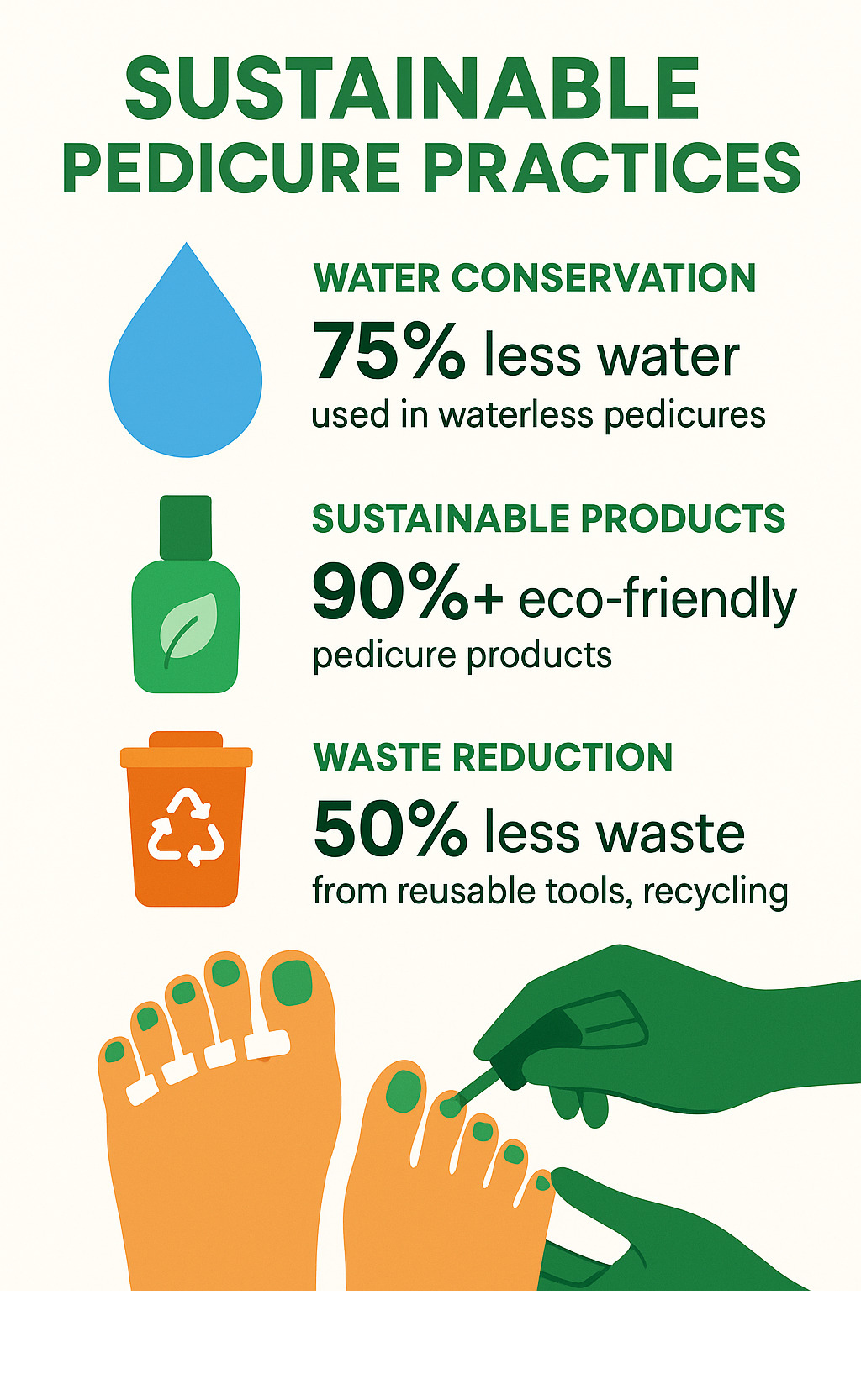
Sustainable & Eco-Friendly Pedicure Practices
The beauty industry is increasingly embracing sustainable practices, and pedicure services are no exception. Eco-conscious clients can now enjoy treatments that minimize environmental impact while maintaining high quality standards.
Water Conservation:
- Waterless/dry pedicures eliminate water usage
- Low-flow fixtures reduce consumption
- Water recycling systems for non-critical uses
- Efficient equipment selection
Sustainable Products:
- Non-toxic, low-VOC polishes
- Biodegradable scrubs and exfoliants
- Refillable product containers
- Locally sourced ingredients when possible
Waste Reduction:
- Reusable tools with proper sterilization
- Minimal packaging products
- Recycling programs for used containers
- Upcycling initiatives (like turning old polish bottles into planters)
Energy Efficiency:
- LED lighting systems
- Energy-efficient equipment
- Smart thermostats
- Renewable energy sources
Many salons now offer “green fees” where clients can contribute to sustainability initiatives, such as renewable energy installations or waste reduction programs.
For more information about environmentally conscious beauty practices, visit our guide on eco-friendly spa treatments.
What Determines Pedicure Price?
Pedicure pricing varies significantly based on several factors. Understanding these elements helps you budget appropriately and choose services that offer the best value for your needs.
Service Level Factors:
- Express Pedicure: $46-79 (basic care, 30-45 minutes)
- Signature Pedicure: $95-134 (comprehensive treatment, 60 minutes)
- Elite/Luxury Pedicure: $119-165 (premium experience, 75+ minutes)
- Medical Pedicure: Varies widely (specialized care, 60-90 minutes)
Location Impact:
- Urban salons typically charge more
- High-end neighborhoods command premium prices
- Resort and spa locations often have higher rates
- Regional cost of living affects pricing
Add-On Services:
- Gel polish application: $40
- Gel polish removal: $20-49
- Paraffin treatments: $15-25
- Extended massage: $10-20
- Specialty scrubs or masks: $10-30
Technician Expertise:
- Master technicians may charge premium rates
- Specialized training (medical pedicures) increases cost
- Experience level affects pricing
- Certification in advanced techniques
Tipping Guidelines:
Most professionals earn hourly wages supplemented by tips. Standard tipping ranges from 15-20% of the service cost, with higher percentages for exceptional service or when using discounted rates.
Nail technicians can earn up to $100 per hour for technical treatments like French pedicures, but most earn modest base wages. Your tips make a significant difference in their income.
Conclusion
Taking care of your feet through regular pedicures is one of those simple pleasures that actually makes a real difference in your life. From the moment you sink your feet into that warm water to the confidence boost of perfectly polished toes, these treatments offer benefits that go way beyond looking good in sandals.
Throughout this guide, we’ve explored how pedicures have evolved from ancient luxury rituals to modern wellness essentials. Whether you choose a quick express treatment, indulge in a spa experience, or need specialized medical care, there’s truly something for everyone in today’s diverse pedicure landscape.
The most important lesson? Safety should always come first. A beautiful pedicure isn’t worth risking your health, so take time to research salons, observe their hygiene practices, and don’t hesitate to ask questions about sterilization procedures. Your feet deserve the best care possible.
We’ve also seen how the industry is embracing sustainability – from waterless treatments that conserve precious resources to non-toxic polishes that are gentler on both you and the environment. These eco-friendly options prove you don’t have to compromise your values to enjoy self-care.
Your pedicure benefits extend far beyond the salon visit. Proper aftercare – like daily moisturizing, wearing breathable shoes, and paying attention to changes in your feet – keeps your investment working for weeks. Think of it as a partnership between you and your nail technician.
At Beyond Beauty Lab, we believe that informed choices lead to happier outcomes. When you understand the difference between a standard and medical pedicure, know what red flags to watch for, and have realistic expectations about pricing, you’re much more likely to have positive experiences.
Your feet work hard for you every single day, carrying you through life’s trips. They deserve regular attention, whether that’s a monthly maintenance pedicure or a quarterly luxury spa treatment. The stress relief alone makes it worthwhile – and let’s be honest, there’s something deeply satisfying about looking down at perfectly groomed toes.
As you plan your next pedicure appointment, this isn’t just vanity – it’s health maintenance, stress relief, and self-care all rolled into one enjoyable experience. Take time to find a provider who shares your values, whether that’s impeccable hygiene standards, sustainable practices, or specialized medical expertise.
For more insights on creating a comprehensive wellness routine that includes proper foot care, explore our resources on beauty and self-care. Because when it comes to taking care of yourself, every step counts – literally!