
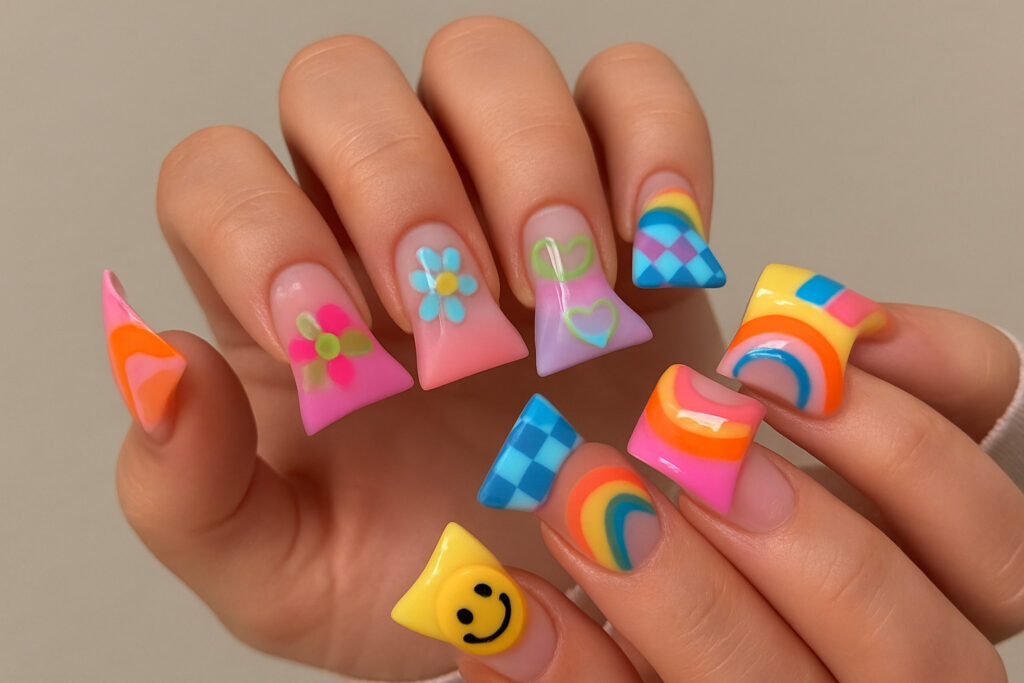
Why Duck Nails Are Trending Again
Duck nails have taken social media by storm, with over 1 million Pinterest searches in a single month and viral TikTok videos bringing this Y2K nail trend back into the spotlight.
What are duck nails?
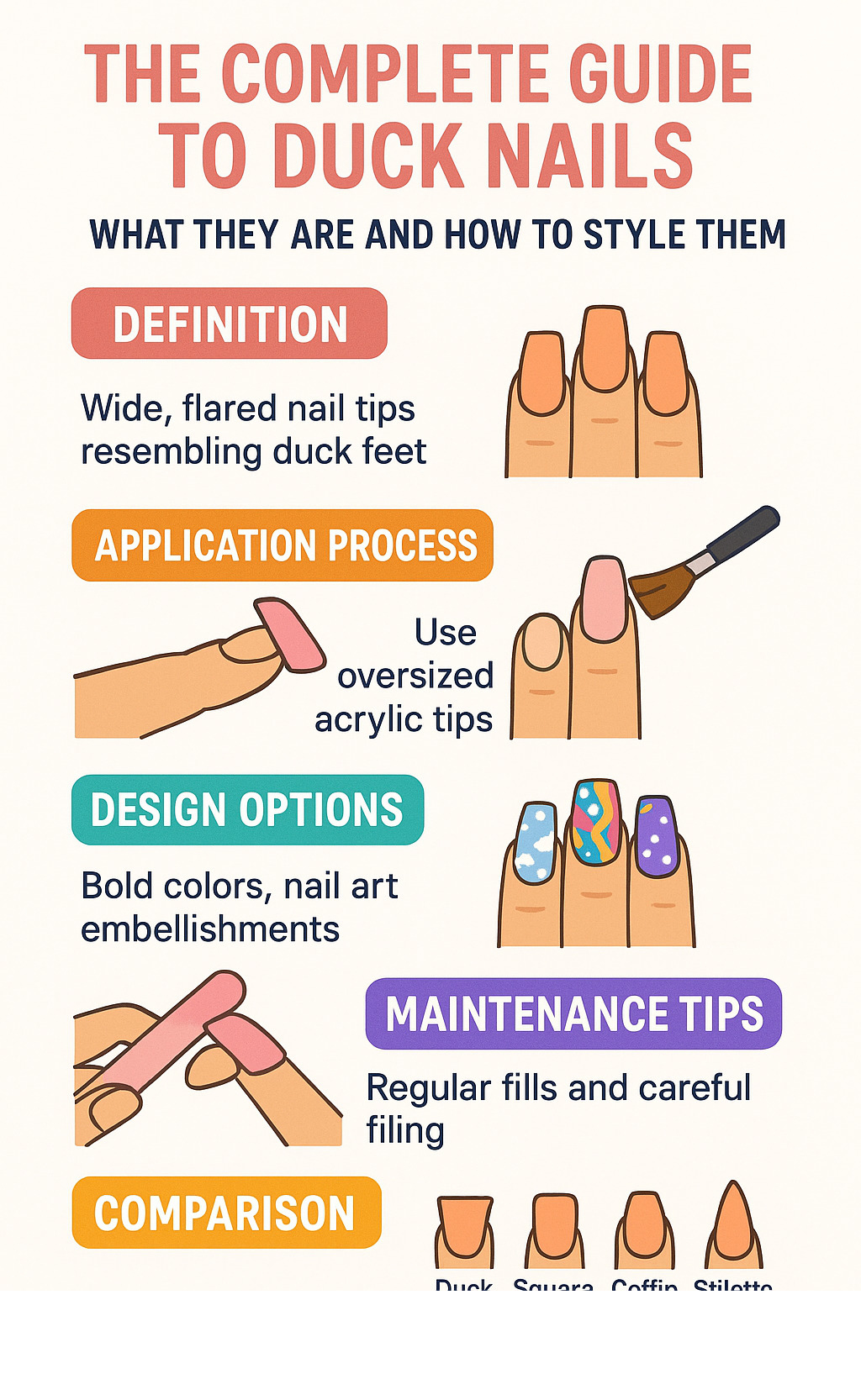
- Wide, flared nail tips that resemble duck feet
- Also called “flared nails” or “duck feet nails”
- Tips are wider than the natural nail bed
- Created using oversized acrylic tips filed into a triangular shape
Quick facts about duck nails:
- Originally popular in the 2000s
- Revived through social media platforms
- Provide extra surface area for nail art
- Controversial for practicality reasons
This dramatic nail shape offers a bold alternative to traditional stiletto or coffin nails. The wide tips create ample space for intricate designs, 3D elements, and eye-catching decorations that simply won’t fit on narrower nail shapes.
But duck nails aren’t just about aesthetics. They spark strong reactions – from enthusiastic nail art lovers to critics questioning their practicality. Some nail technicians even refuse to create them due to the challenges they present.
Whether you’re curious about trying this trend or wondering how to care for these statement nails, understanding the complete picture helps you make informed beauty choices.
Understanding Duck Nails (aka Duck Feet or Flared Nails)
Duck nails have quite the backstory! This dramatic nail shape first made waves in the early 2000s, with reality TV shows like “Jerseylicious” helping to cement its place in nail culture. Back then, bigger was definitely better when it came to beauty trends.
The name says it all – these nails really do look like duck feet when you spread your fingers apart. The triangular, flared shape extends way beyond your natural nail bed, creating that distinctive wide-tip silhouette that’s impossible to miss.
Think of it this way: while most nail shapes follow the natural curve of your fingertip, duck nails throw that rule out the window. They deliberately expand outward, making your fingertips look dramatically wider than nature intended.
This trend taps straight into Y2K nostalgia, bringing back that “more is more” mentality from the early 2000s. Remember frosted eyeshadow and chunky highlights? Duck nails fit right into that maximalist beauty era. The Duck Nails Pinterest board showcases thousands of creative takes on this bold look, proving it’s definitely having a moment.
The cultural background connects to a time when dramatic self-expression ruled beauty choices. If you wanted to make a statement, your nails were prime real estate for showing off your personality.
Duck Nails Trend History
The original duck nails craze grew out of 2000s salon culture, especially in communities where over-the-top nail art was celebrated as an art form. Reality TV played a huge role in bringing these extreme looks into living rooms across America.
Shows featuring salon drama and nail artistry made these bold shapes seem glamorous and aspirational. Suddenly, everyone wanted nails that could stop traffic.
Fast forward to today, and we’re seeing a fascinating backlash against stiletto nails that dominated the 2010s. While stiletto nails can accidentally poke and scratch (ouch!), duck nails deliver drama without the sharp weapon factor.
TikTok has been the real game-changer in this revival. The platform makes it easy for nail artists to show off their duck nail creations, inspiring a whole new generation finding Y2K aesthetics for the first time.
What Makes a Nail “Duck”?
Not every wide nail qualifies as a true duck nail. There’s actually a specific formula that creates that authentic duck foot appearance.
The magic happens in the triangular silhouette when you look at your nails from above. Your nail tips need to be significantly wider than your cuticle area – we’re talking noticeably flared edges that extend well beyond your natural nail width.
The construction process requires oversized acrylic tips that are several sizes larger than your actual nails. Many nail techs use pre-flared forms designed specifically for this shape, which makes the process more predictable.
The key difference between duck nails and simply wide square nails lies in that deliberate flaring action. Your tips must extend obviously beyond your natural nail bed width to achieve the real duck effect. It’s not just wide – it’s dramatically, intentionally wider than your finger.
The smooth, curved transition from the narrow base near your cuticle to that wide tip is what creates the distinctive look that gives these nails their name.
Salon Process & Styling Ideas for Duck Nails
Getting duck nails done professionally is quite different from your typical manicure appointment. The process requires a skilled nail technician who understands how to work with oversized tips and create that signature flare without making your nails look awkward or unstable.
Most salons use acrylic systems for duck nails because they’re stronger and more moldable than gel. This extra strength matters when you’re creating such an extreme shape – the last thing you want is a nail breaking off because it couldn’t handle the stress of that wide tip.
The best part about duck nails? They give you so much space for nail art that you’ll feel like you have tiny canvases on your fingertips. Think glitter, charms, rhinestones, and intricate designs that would never fit on regular-shaped nails.
If you’re looking for more nail inspiration, check out our guides on Summer Nails and French Tip Nails to see how classic techniques can work beautifully with dramatic shapes.
Creating Duck Nails in Salon
The salon process takes patience – usually 2-3 hours depending on your design choice. Your nail tech will start by prepping your natural nails and fitting oversized acrylic tips that are typically 2-3 sizes larger than your actual nail size.
Here’s where the magic happens: slanted filing creates that distinctive flare. Your technician will carefully file the sides at angles, gradually widening the tip while keeping everything symmetrical. It’s like sculpting, really.
The curing and sealing process is crucial because these nails need extra strength to support their unusual shape. Professional shaping tools include specialized files and sometimes rotary tools to get those edges just right.
Don’t be surprised if the appointment takes longer than expected. Creating the perfect duck shape requires precision, and rushing the process usually leads to uneven or weak nails.
Duck Nails Design Inspiration
This is where duck nails really shine. The wide surface area opens up design possibilities that are simply impossible with other nail shapes.
Glitter gold designs look absolutely stunning because you have so much space to create intricate patterns. Mermaid 3-D themes with scales and pearls take full advantage of the extra real estate. Some people go for designer logos or chain patterns that wrap around the flared edges.
The junk kawaii aesthetic works perfectly with duck nails – think tiny bows, hearts, and colorful charms clustered across the wide tips. If you prefer something more understated, a subtle flare with minimalist designs can give you the shape without overwhelming your hands.
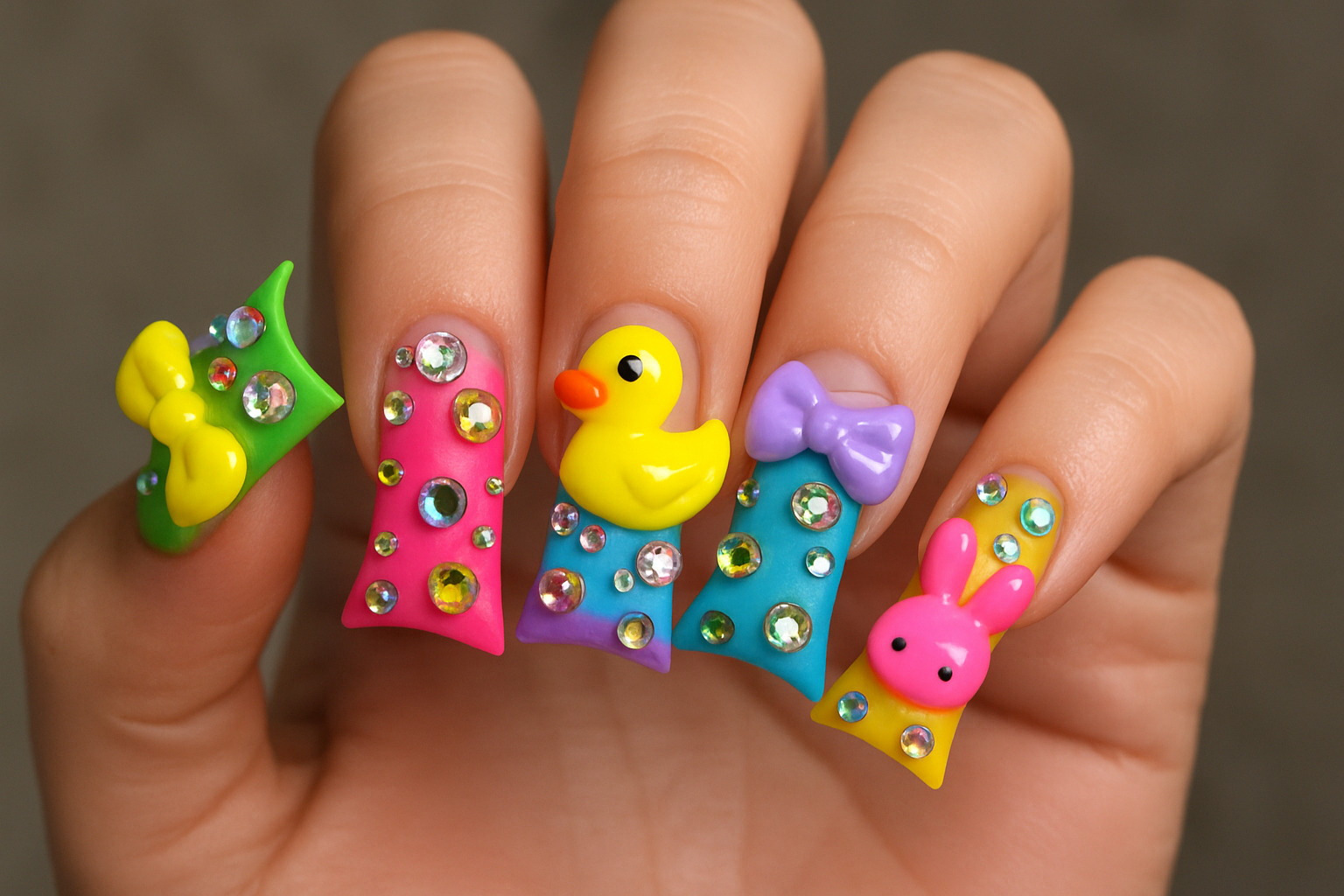
If you’re going for duck nails, you’re already making a bold statement. Don’t hold back on the design – these nails are meant to be noticed and admired.
Duck Nails vs. Other Nail Shapes: Pros, Cons & Practicality
Let’s be honest – duck nails aren’t for everyone. While they create stunning visual impact, they come with unique challenges that set them apart from your typical manicure choices.
When comparing nail shapes, duck nails offer the most dramatic aesthetic and extra art space of any style. Think of them as the maximalist option in a world of minimalist trends. Unlike sharp stiletto nails that can accidentally scratch, or practical square nails that blend into daily life, duck nails make an unmistakable statement.
| Shape | Surface Area | Durability | Daily Function | Maintenance |
|---|---|---|---|---|
| Duck | Maximum | Medium | Challenging | High |
| Stiletto | Minimal | Low | Difficult | High |
| Coffin | Medium | High | Good | Medium |
| Square | Small | High | Excellent | Low |
The trade-off is significant though. While coffin and square shapes work seamlessly with most lifestyles, duck nails require serious commitment. You’ll need to adjust how you type, text, and handle everyday tasks. The hygiene challenges are real too – those wide tips can trap dirt and bacteria if you’re not diligent about cleaning.
The trend debate continues to divide the beauty community. Some see duck nails as creative expression at its finest, while others question whether extreme nail art has gone too far.
Pros & Cons of Duck Nails
The bold statement aspect of duck nails is undeniable. You’ll never blend into the background with these attention-grabbing tips. The massive surface area means nail artists can create intricate designs that simply won’t fit on traditional shapes.
But here’s the reality check – the break risk is substantial. Those wide tips catch on everything from car doors to sweater sleeves. One wrong move and you could face a painful break that requires immediate professional repair.
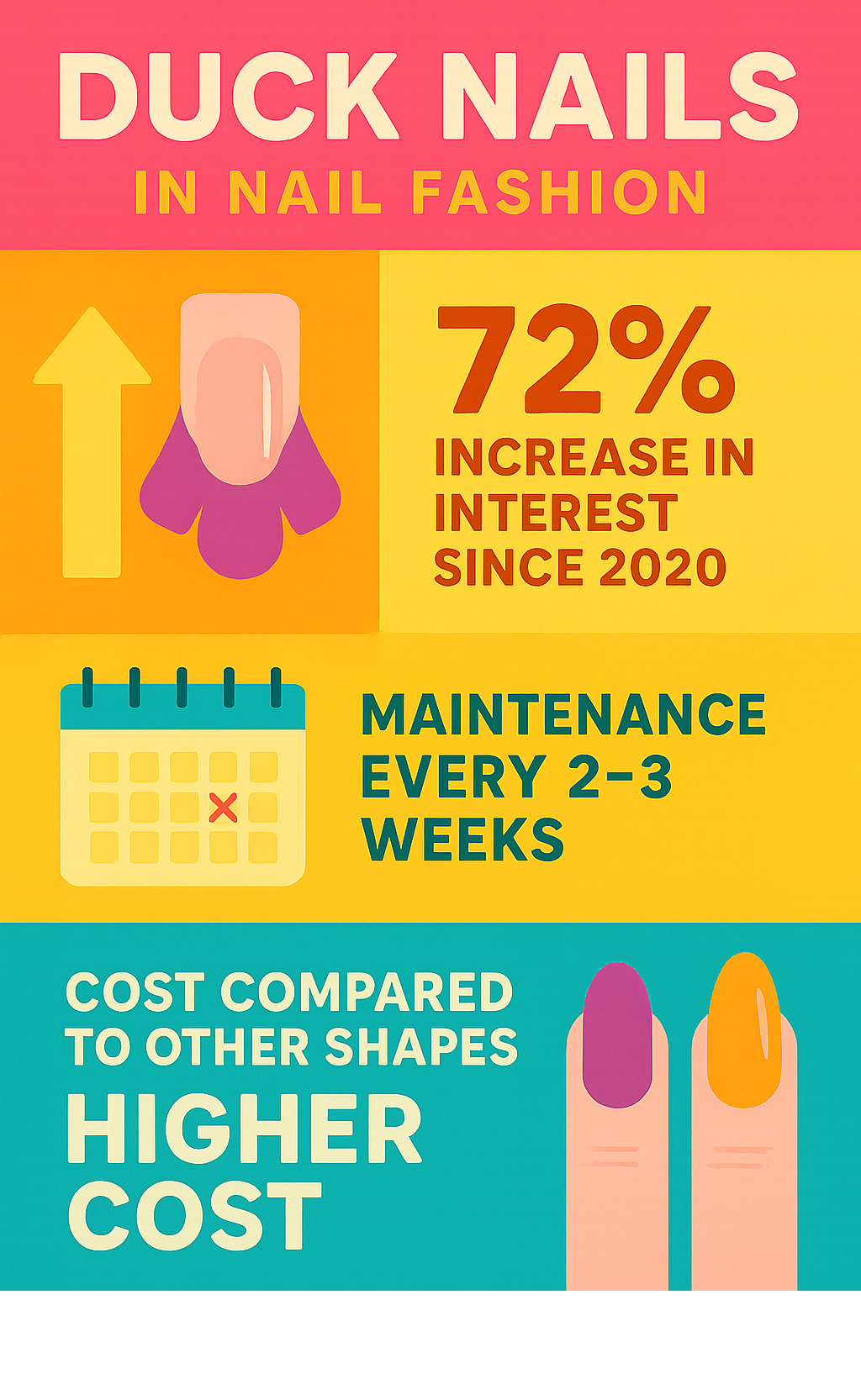
The cost factor adds up quickly too. Regular maintenance every 2-3 weeks becomes essential, and repairs between appointments aren’t uncommon. If you’re used to low-maintenance square nails, the time and money commitment might surprise you.
Daily activities become an trip. Typing requires relearning your technique, and forget about easily opening cans or handling small objects. Some people love the dramatic lifestyle change, while others find it frustrating after the novelty wears off.
Public Reactions to Duck Nails
The love-hate responses to duck nails are intense and immediate. Social media is flooded with both admirers praising the artistic creativity and critics questioning the practicality.
Beauty enthusiasts celebrate the Y2K nostalgia and Instagram-worthy photo opportunities. The dramatic shape photographs beautifully and creates stunning nail art showcases that rack up likes and shares.
On the flip side, social media memes often poke fun at the challenges. You’ll find jokes about needing help with basic tasks or accidentally knocking things over. Some people associate the style with certain subcultures, creating additional social judgments.
Perhaps most telling are the salon refusal stories. Some nail technicians won’t create duck nails due to concerns about client satisfaction and liability issues. They worry about breakage complaints and the technical challenges of achieving the perfect flare. However, specialists in extreme nail art often accept these requests as creative challenges.
The public opinion remains split, but the trend’s persistence suggests there’s a dedicated audience willing to accept both the beauty and the complications that come with duck nails.
Caring for Duck Nails & Health Considerations
Let’s be real – duck nails are high-maintenance beauties that demand serious commitment. Think of them as the exotic pets of the nail world: absolutely stunning, but requiring specialized care to keep them healthy and happy.
The wide, flared shape creates unique challenges that your regular nail routine simply won’t handle. Those dramatic tips can become little collectors of everything from lint to leftover lunch, making thorough cleaning absolutely essential. Nobody wants gorgeous nails that harbor unwanted guests!
Daily cleaning becomes your new best friend. The increased surface area means more space for bacteria and debris to hide, especially in those hard-to-reach spots where the flare meets your finger. A soft brush with antibacterial soap works wonders for getting into all those nooks and crannies.
Cuticle oil isn’t just nice-to-have anymore – it’s essential for preventing the dryness and cracking that can lead to painful breaks. Your nail technician will probably recommend a specific fill schedule every 2-3 weeks, and trust us, you don’t want to skip these appointments.
Here’s the thing about potential infections – they’re more likely with any artificial nail that traps moisture and bacteria. Watch for redness, swelling, or unusual discharge around your nail beds. When breakage happens (and it probably will), don’t try to fix it yourself with superglue. Professional repairs prevent further damage and keep your nails healthy.
If you’re feeling overwhelmed by the maintenance, our guide to Nail Art Designs for Short Nails: Easy Step-by-Step offers some gorgeous alternatives that won’t require a part-time job’s worth of upkeep.
Maintaining Flared Tips at Home
Home care for duck nails is like tending a garden – consistent attention prevents bigger problems down the road. Gentle filing becomes crucial when you notice rough edges developing. Use a fine-grit file and work in one direction to avoid creating weak spots that could lead to breaks.
Top-coat refresh every few days keeps your nails looking salon-fresh and adds an extra layer of protection. Think of it as sunscreen for your manicure – a small step that prevents major damage.
The biggest enemy of your fabulous flares? Harsh chemicals that can weaken the acrylic structure. Cleaning products, acetone-based removers, and even some hand sanitizers can cause lifting or brittleness. When you’re doing dishes or cleaning, gloves aren’t just recommended – they’re essential armor for your nail investment.
Avoiding harsh chemicals means reading labels and being selective about what touches your nails. Oil-based products might seem moisturizing, but they can actually cause your improvements to lift, leading to water damage and potential infections.
Are Duck Nails Practical?
Here’s where we need some honest talk. Duck nails are absolutely gorgeous, but practical? That’s… complicated. Typing becomes an trip in creativity as you learn to use your finger pads instead of your tips. Your keyboard might sound like a drum set at first, but most people adapt within a week or two.
Phone use transforms into a delicate dance. Touchscreens respond better to the pad of your finger anyway, but texting speed definitely takes a hit initially. Some people invest in a stylus or learn to use their knuckles – whatever works!
Hygiene tips become more important than ever. Washing your hands thoroughly takes longer, but it’s crucial for preventing bacterial buildup. The routine adjustments extend to everything from contact lens handling (tweezers become your friend) to hair styling techniques.
The truth is, you’ll need to adjust your routine in ways you never expected. Buttoning shirts, opening cans, even putting on jewelry requires new approaches. But here’s the surprising part – most people who commit to duck nails find these adaptations become second nature pretty quickly.
The key is going into this trend with realistic expectations and a sense of humor about the learning curve. Yes, you might need to ask for help opening that stubborn jar, but you’ll also have the most eye-catching nails in any room.
Real Ducks & Their Actual Nails: A Quick Guide for Bird Owners
While we’ve been exploring the fabulous world of duck nails as a beauty trend, let’s take a moment to talk about the real deal – actual duck nail care for our feathered friends. It’s quite different from getting your nails done at the salon!
Real duck nails (technically called claws) serve important functions for our waterfowl companions. Unlike the decorative duck nails we create with acrylics and nail art, bird claws help with walking, swimming, and general mobility. They’re built for function, not fashion.
The anatomy is completely different too. Duck claws contain a quick – that’s the pink blood vessel you can sometimes see through lighter-colored nails. This is similar to what you’d find in dog nails, and it’s something you absolutely want to avoid when trimming.
Most outdoor ducks are pretty self-sufficient when it comes to nail maintenance. They naturally wear down their claws by walking on concrete, rocks, and various surfaces. But pet ducks or those with limited mobility might need a little help from their human caretakers.
If you’re curious about what other duck owners have experienced, the forum discussion can I trim ducks “nails”? offers real-world advice from people who’ve been there.
Safe Duck Nail Trimming
Trimming duck nails isn’t something you’ll need to do often, but sometimes it becomes necessary. Indoor pet ducks are the most likely candidates since they don’t get the natural wear that comes from outdoor living.
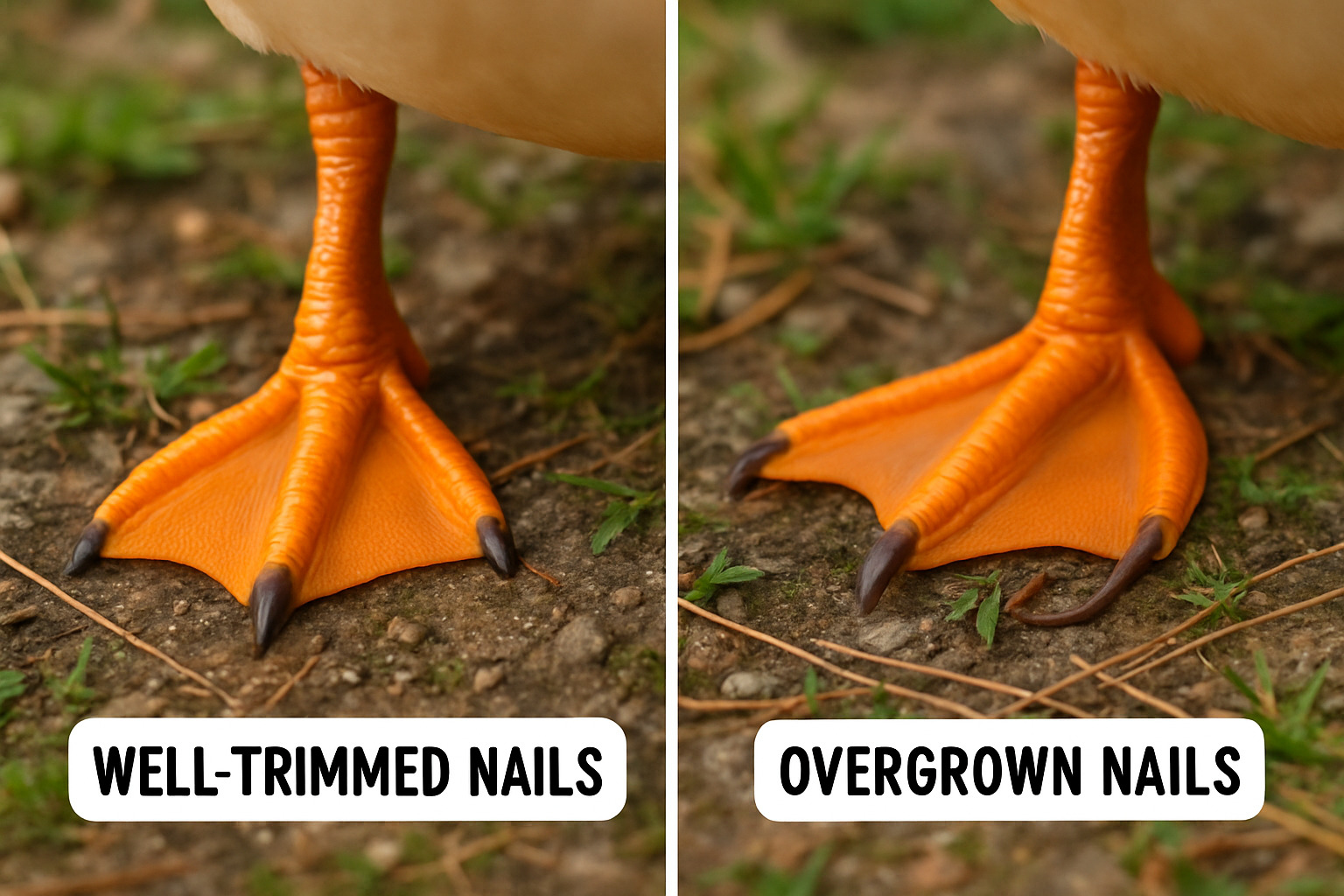
You’ll know it’s time for a trim when the nails start curving significantly or interfering with your duck’s ability to walk comfortably. Overgrown nails can actually cause pain and mobility issues.
The process requires some preparation and ideally two people – one to hold your feathered friend and another to do the actual trimming. You’ll need sharp, clean nail clippers (pet-specific ones work great) and some styptic powder on hand just in case.
Here’s the gentle approach: wrap your duck in a soft towel, leaving just the feet exposed. This helps keep them calm and secure. Have your helper hold the bird while you carefully identify the quick in each nail. You’ll only want to trim the clear tip, staying well away from that pink area.
If your duck spends time outdoors, you might not need to trim at all. Providing concrete walkways or areas with pea gravel can help with natural nail maintenance. It’s like nature’s own nail file system.
Some duck owners prefer using a Dremel tool instead of clippers, but this requires more experience and a very calm bird. The vibration can be startling for some ducks.
First Aid for Injured Duck Nails
Even with the best intentions, accidents can happen during nail trimming. If you accidentally nick the quick and bleeding occurs, don’t panic – this is manageable.
Apply gentle pressure with a clean cloth to the affected nail. Styptic powder works wonderfully to stop bleeding quickly, but if you don’t have any on hand, corn starch is a surprisingly effective alternative that many duck owners swear by.
Keep your duck calm and comfortable while monitoring the situation. Most minor bleeding stops within a few minutes with proper care. However, if bleeding continues for more than 10 minutes, it’s time to contact your veterinarian.
Prevention is always better than treatment. Keep the trimmed area clean and dry while it heals, and watch for any signs of swelling or unusual discharge that might indicate infection.
Your duck should be back to their normal activities pretty quickly. Just limit their contact with muddy or dirty surfaces until the nail has had time to heal properly.
Frequently Asked Questions about Duck Nails
What are duck nails in nail art?
Duck nails get their quirky name from their resemblance to actual duck feet – wide, flared, and impossible to miss. These dramatic nails are created using oversized acrylic tips that extend far beyond your natural nail bed, forming a triangular shape that’s wider at the tip than at the base.
Think of them as the complete opposite of stiletto nails. Where stilettos come to a sharp point, duck nails spread outward like a fan. The result? Maximum surface area for nail art and a look that’s guaranteed to turn heads (and start conversations).
You might also hear them called “flared nails” or “duck feet nails,” but they’re all referring to the same bold Y2K-inspired trend that’s taken social media by storm.
Do duck nails break more easily than other shapes?
Unfortunately, yes – duck nails are definitely more fragile than your typical square or round manicure. The physics just aren’t in their favor. Those wide, flared tips act like tiny sails, catching on everything from sweater sleeves to your own hair.
The extended edges create natural stress points where cracks love to start. Unlike compact nail shapes that distribute pressure evenly, duck nails concentrate force at the widest points. This makes them vulnerable to snapping, especially if you’re not careful about how you use your hands.
Many duck nail enthusiasts learn this lesson the hard way during their first week. The key is adjusting your daily habits and handling everything more gently. Regular salon maintenance also becomes crucial – those fills every 2-3 weeks aren’t just for looks, they’re for structural integrity.
How often should real ducks have their nails checked?
Real ducks need their nails inspected about once a month, though most outdoor ducks are pretty good at managing their own “manicures.” Walking on concrete, rocks, and varied terrain naturally files down their nails to a healthy length.
Indoor pet ducks or those with limited mobility are a different story. These feathered friends might need nail trims every 6-8 weeks since they don’t get the natural wear that keeps nails short.
Watch for warning signs like nails that curve under the toe pad or make walking look uncomfortable. If your duck starts having trouble getting around, it’s probably time for a trim. Providing rough surfaces like pea gravel in their living area can help maintain healthy nail length naturally.
Conclusion
The duck nails phenomenon perfectly captures how social media can breathe new life into forgotten beauty trends. What started as a bold 2000s salon statement has evolved into a modern form of self-expression that divides opinions as dramatically as the nails themselves divide fingers.
This Y2K revival teaches us something important about beauty trends – they’re rarely just about looks. Duck nails represent a rebellion against subtle, “practical” beauty standards. They’re for people who want their manicure to start conversations, turn heads, and make zero apologies for taking up space.
But let’s be honest about what you’re signing up for. These nails demand serious commitment – both financially and practically. You’ll need to find a skilled nail technician who won’t roll their eyes at your request, budget for frequent maintenance visits, and completely rethink how you button your jeans or send text messages.
The health-first approach means being realistic about your lifestyle. If you’re a surgeon, pianist, or anyone whose hands are essential work tools, duck nails might not be your best choice. But if you’re ready to adapt your daily routine for the sake of dramatic self-expression, these nails deliver maximum impact.
Style responsibly by choosing experienced professionals who understand extreme nail shapes, maintaining proper hygiene with the increased surface area, and listening to your natural nails when they need a break. Your nail health matters more than any trend – even one this photogenic.
The beauty industry thrives on these polarizing moments. Duck nails remind us that personal style doesn’t need everyone’s approval. Whether you’re team duck or team “absolutely not,” the trend serves its purpose – sparking conversations about beauty standards, self-expression, and the lengths we’ll go to stand out.
For more thoughtful approaches to beauty trends that won’t compromise your daily life, check out our Beauty Hacks for Busy Women. At Beyond Beauty Lab, we believe in making informed beauty choices that boost your confidence without sacrificing your wellbeing.
The duck nails story isn’t really about nails at all – it’s about the human desire to be seen, to be bold, and to wear our personalities on our fingertips. Whether that resonates with you probably says more about your relationship with attention than your taste in manicures.