
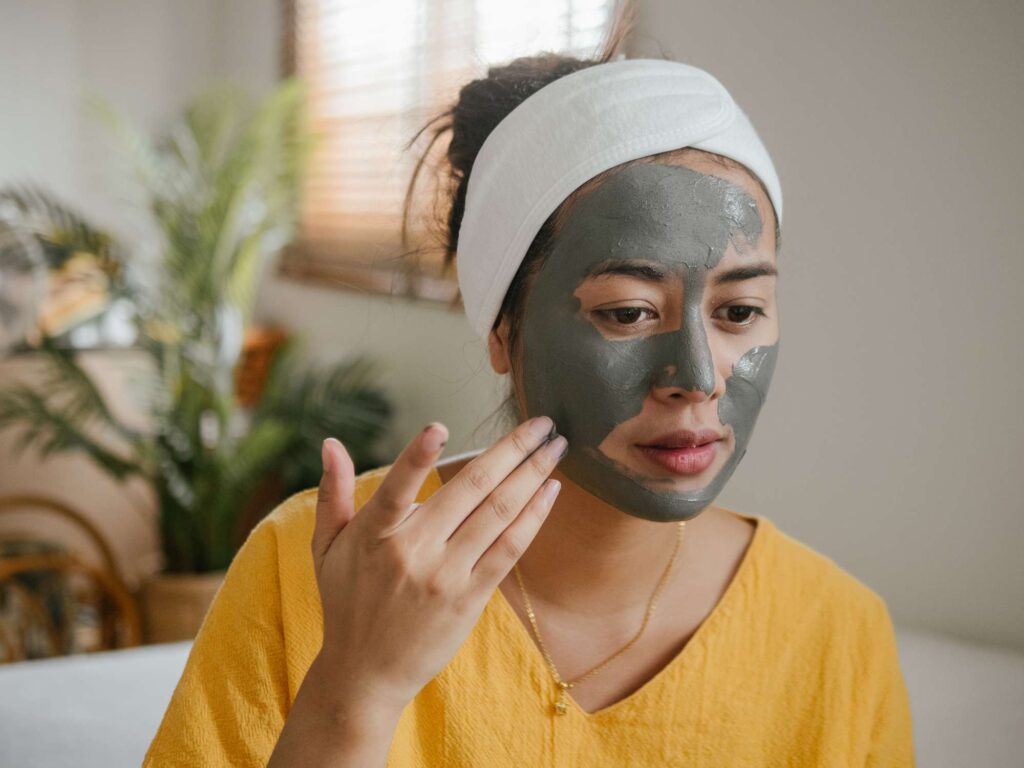
Combination skin presents unique challenges—oily in some areas and dry or normal in others. If you’re navigating this skin type, clay masks can be a powerful ally, especially when applied correctly and at the right frequency. However, overusing them can lead to dryness, irritation, and imbalance. So, how often should you use a clay mask if you have combination skin?
In this guide, we’ll explain the ideal clay mask frequency for combination skin, how different clays affect your complexion, and how to build a mask routine that supports your skin without overstripping it.
What Is Combination Skin?
Combination skin is characterized by having multiple skin types on the face simultaneously. The T-zone—forehead, nose, and chin—is typically oily and prone to breakouts, while the cheeks may be dry or normal.
Signs of combination skin include:
- Shiny or greasy forehead and nose
- Enlarged pores in the T-zone
- Dry or flaky cheeks
- Occasional breakouts in oilier areas
Because of this imbalance, skincare routines must be carefully tailored to meet differing needs across the face.
Why Use Clay Masks?
Clay masks help absorb excess oil, remove impurities, and detoxify the skin. They’re particularly beneficial for oily or acne-prone zones, making them ideal for managing the T-zone in combination skin types.
Benefits of clay masks:
- Control sebum (oil) production
- Unclog pores and reduce blackheads
- Improve skin texture and tone
- Gently exfoliate dead skin cells
But while clay masks are great for oil control, they can also be drying—especially if used too often or applied to drier areas of the face.
How Often Should You Use a Clay Mask on Combination Skin?
Recommended Frequency: 1–2 times per week
Using a clay mask once or twice a week is ideal for most people with combination skin. This schedule allows the mask to detoxify and clarify the oily areas without over-drying the cheeks or other sensitive spots.
Zone Masking Tip:
You don’t have to apply a clay mask all over your face. Instead, try multi-masking—use a clay mask on the T-zone and a hydrating or soothing mask on drier areas. This targeted approach helps you treat each area of your face according to its specific needs.
Choosing the Right Clay for Combination Skin
Not all clays are the same. Some are more drying and suited for very oily skin, while others are gentler and better balanced for combination or sensitive skin types.
| Clay Type | Best For | Effect on Skin |
|---|---|---|
| Kaolin Clay | Sensitive, combo, dry areas | Gentle, lightly exfoliating |
| Bentonite Clay | Very oily, acne-prone skin | Strong oil absorption |
| French Green Clay | Combo to oily skin | Detoxifying, firming |
| Rhassoul Clay | All skin types | Mild, mineral-rich, balancing |
For combination skin, Kaolin and Rhassoul are generally the safest options. Bentonite may be too drying unless used sparingly or only on oily zones.
Application Tips for Best Results
To get the most from your clay mask routine:
- Cleanse first: Start with a gentle, pH-balanced cleanser.
- Apply a thin layer: Use just enough to cover the skin without caking.
- Avoid over-drying: Don’t wait for the mask to crack completely. Remove it while it’s still slightly damp to avoid stripping your skin.
- Use lukewarm water: Hot water can irritate combination skin.
- Moisturize afterward: Always follow with a lightweight moisturizer to replenish hydration.
Common Mistakes to Avoid
Using clay masks too often or incorrectly can do more harm than good. Watch out for these common errors:
- Applying too frequently: More isn’t better. Overuse can disrupt your skin barrier.
- Masking the entire face: Only use it on oil-prone areas if your cheeks are dry.
- Not following with moisturizer: Clay absorbs oil, but your skin still needs hydration afterward.
- Using harsh or alcohol-based toners after: These can intensify dryness or irritation.
Seasonal Considerations
You may need to adjust your clay mask frequency with the seasons:
- In summer: You may need to use a clay mask twice a week if you’re experiencing more oil and sweat.
- In winter: Once a week or even biweekly may be sufficient to avoid drying out already sensitive areas.
During summer, it’s also worth noting that sweat buildup and humidity can increase skin congestion. In that case, combining clay masks with smart skincare practices—like knowing How to Prevent Heat Rash in Summer—can enhance your overall skin health.
Frequently Asked Questions (FAQs)
Can I use a clay mask daily for combination skin?
No. Daily use is too harsh for combination skin. Stick to 1–2 times per week to prevent over-drying and irritation.
Should I use different masks for different areas of my face?
Yes, this technique is called multi-masking and works very well for combination skin. Use a clay mask on the oily T-zone and a hydrating mask on the cheeks or dry patches.
What time of day is best for clay masks?
Evening is ideal. It allows your skin to recover overnight, and your pores tend to be more open after a warm shower.
Can clay masks cause breakouts?
Sometimes, especially if your skin purges impurities. If breakouts persist for more than a few uses, you may be using the wrong type of clay or applying it too often.
Do I need to exfoliate before using a clay mask?
It’s optional but can enhance absorption. Use a gentle exfoliator, especially if your skin feels congested or rough.
Final Thoughts
Using a clay mask is a powerful and natural way to manage combination skin—especially if applied with intention and moderation. For most people, once or twice a week is the sweet spot, particularly when focusing on the oil-prone T-zone. Pairing the right type of clay with a customized routine can help you achieve clear, balanced, and smooth skin without triggering dryness or irritation.
Combination skin doesn’t have to be difficult to manage. With a bit of strategy—like multi-masking, choosing the right products, and adjusting frequency based on season and skin feedback—you can make clay masks a beneficial part of your skincare toolkit.