As daylight hours shorten during the colder months, millions of people experience noticeable shifts in mood, energy, and mental clarity. For some, it’s a mild dip in motivation. For others, it’s full-blown seasonal affective disorder (SAD). One natural and increasingly popular solution to this winter gloom is the light therapy lamp—a simple yet powerful tool designed to mimic natural sunlight and support emotional well-being during the darker seasons.
Whether you’re combating seasonal depression or simply want to stay productive and uplifted through the winter, a light therapy lamp for winter may be exactly what your routine is missing.
What Is a Light Therapy Lamp?
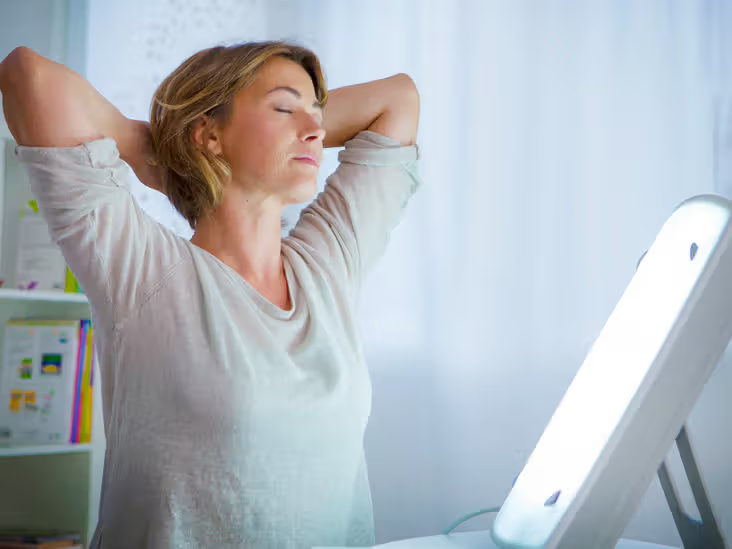
A light therapy lamp—also known as a SAD lamp or bright light therapy box—is a device that emits light intended to simulate sunlight. These lamps typically produce 10,000 lux of cool-white, full-spectrum light without UV rays, making them safe for daily use.
The principle is simple: exposure to bright light early in the day helps regulate your internal clock (circadian rhythm), increase serotonin production (the “feel-good” neurotransmitter), and suppress excess melatonin (the hormone that makes you sleepy). By using one consistently, you may experience improved mood, sharper focus, and a reduction in winter-related sluggishness.
How Does Light Therapy Work?
Your brain and body rely on light cues to regulate essential functions such as sleep, appetite, and mood. In winter, reduced exposure to natural sunlight can disrupt these patterns, leading to symptoms like:
- Fatigue
- Sadness or irritability
- Low motivation
- Changes in appetite or sleep
- Difficulty concentrating
Light therapy mimics morning sunlight and helps reset your circadian rhythm, signaling to your body that it’s time to be alert and active. Most people experience benefits when the lamp is used in the morning within an hour of waking up.
Key Benefits of Using a Light Therapy Lamp
1. Reduces Symptoms of Seasonal Affective Disorder (SAD)
Light therapy is a well-researched, non-pharmaceutical treatment for SAD. Regular use may alleviate depressive symptoms in as little as one to two weeks.
2. Boosts Energy and Focus
By increasing serotonin and dopamine levels, light therapy can help combat brain fog and improve mental clarity.
3. Improves Sleep Cycles
Exposure to bright light during the day helps regulate melatonin release, making it easier to fall asleep and wake up at consistent times.
4. Supports Productivity
When your body is in sync with a natural day-night rhythm, you’re more likely to stay alert, organized, and goal-focused throughout the day.
5. Helps Combat the “Winter Blues”
Even if you don’t have full-blown SAD, many people feel emotionally low in winter. A light therapy lamp can help lift your mood naturally.
How to Use a Light Therapy Lamp Properly
To get the most out of your lamp, consider the following usage guidelines:
Timing
Use the lamp early in the morning—ideally within 30 to 60 minutes of waking up. Morning use is most effective for syncing your internal clock.
Duration
Start with 20–30 minutes daily. Some users benefit from up to 45 minutes, but consistency is more important than long sessions.
Distance
Place the lamp about 16–24 inches from your face. It should be at eye level or slightly above, angled down. You do not need to stare directly into it—just have the light within your visual field.
Safety
Choose a UV-free, medically certified light box that delivers 10,000 lux of brightness. Avoid using it in the evening, as it may interfere with sleep.
What to Look for in a Light Therapy Lamp
Not all light therapy lamps are created equal. When shopping for one, prioritize the following features:
- 10,000 lux brightness
- Full-spectrum or cool-white light
- UV-free certification
- Adjustable stand or tilt
- Compact size for easy use at home or work
Optional features like a built-in timer, dimmable settings, or color temperature adjustments can enhance usability.
Integrating Light Therapy Into Your Daily Routine
Morning Boost
Place the lamp at your breakfast nook or workspace. While reading emails, sipping tea, or planning your day, let the light do its job in the background.
Midday Reset
If your mornings are too hectic, a midday session can still be effective. Just be cautious not to use it too late in the afternoon.
Paired Wellness Routines
Many people combine light therapy with gentle movement, breathing exercises, or journaling. If you enjoy a Mindful Beauty Evening Ritual, use your light lamp earlier in the day to regulate your rhythm, ensuring that your evening self-care remains truly relaxing and not disrupted by a foggy or off-kilter energy cycle.
Natural Alternatives and Complements to Light Therapy
While a light box is one of the most effective tools for addressing winter fatigue, it’s also helpful to combine it with other supportive habits:
- Daily walks, even on cloudy days
- Omega-3-rich foods like walnuts, flaxseeds, or salmon to support brain health
- Hydration to fight winter dehydration
- Regular sleep schedule to enhance circadian rhythm alignment
- Mood-boosting rituals, such as aromatherapy or uplifting music
Creating a winter wellness plan that includes multiple sensory and lifestyle approaches helps maximize your results and resilience.
Are There Any Side Effects?
Light therapy is considered safe for most people. However, mild side effects can occur, including:
- Eyestrain or headache (usually from being too close or using the lamp too long)
- Irritability or agitation (if used excessively)
- Interference with evening sleep (if used too late in the day)
People with bipolar disorder or eye conditions such as glaucoma or cataracts should consult a healthcare provider before using a light therapy lamp.
Who Benefits Most from Light Therapy?
Light therapy can be particularly helpful for:
- Those with diagnosed Seasonal Affective Disorder (SAD)
- People who live in northern climates with long winters
- Individuals with irregular work or sleep schedules
- Students or remote workers spending more time indoors
- Anyone struggling with low energy and mood in winter
Even without clinical anxiety or depression, the loss of sunlight can dull your sense of vitality. A light therapy lamp offers a safe, simple way to bring the sun back into your space—and your nervous system.
Final Thoughts
Winter doesn’t have to feel heavy. With a light therapy lamp for winter, you can take proactive control of your mental and emotional well-being, restoring brightness to your mornings and clarity to your days.
This is more than just a light—it’s a wellness companion that helps you stay present, focused, and balanced, even when the world outside feels dark. Add it to your routine with intention, and you might just discover that seasonal changes no longer control your mood—they simply become part of the rhythm you’ve learned to navigate.